- Home
- See What's New
The Maine Coon Website Updates
Welcome to the original Maine Coon website! This is where we post new information, updates, featured articles and of course, featured Coonies! It's almost like a blog. Come what's new since your last visit.
If you can't get enough of Maine Coons, you'll love our fun, free Daily Digest!

Sep 21, 2026
Why Do Cats Like Sinks? Plus, Meet the Sink Cats
Why choose a hard bathroom sink when there are soft beds everywhere else?
This page has a new look at what may make sinks so appealing to cats, plus a brand-new reader album filled with Maine Coons who clearly approve. Come see the newest sink cats!
Continue reading "Why Do Cats Like Sinks? Plus, Meet the Sink Cats"
Sep 21, 2026
How Do Maine Coons Handle a Move?
Moving is strange from a cat’s point of view.
Yesterday, every room smelled familiar. The food bowl was where it belonged, the best sleeping spots had been thoroughly claimed, and every sound in the house was known.
Sep 21, 2026
Why Does He Bite When I Pick Him Up?
You reach down to pick up your Maine Coon and suddenly you’ve got teeth in your hand.
Maybe he’s perfectly affectionate the rest of the time. He rubs against you, follows you around, wants petting - and yet being picked up gets a completely different reaction.
Sep 21, 2026
Why does my Maine Coon stay close when I'm upset?
Coonies are naturals when it comes to emotional support. Their calm, affectionate presence has a way of settling a room down, especially when you need it most.
Many seem to know when you’re struggling and will stick close, offering comfort without making a fuss.
Continue reading "Why does my Maine Coon stay close when I'm upset?"
Aug 03, 2026
Dog or Cat... Which Matters More?
Bringing a Maine Coon and a dog together can feel like a gamble.
Some become best friends almost immediately, while others need weeks - or even months - to learn to trust each other.
Most people assume success depends on finding the “right cat.”
In reality, the bigger factor is often the dog..
Jul 29, 2026
Why Some Colors Are Considered Rare
Certain colors like Black Smoke, Blue Smoke, and Black Silver Tabby often create a lot of excitement when they appear.
Part of that comes from availability. Some colors are simply seen less often, making them especially sought after by Maine Coon enthusiasts..
Jul 16, 2026
When To Meet the Kittens?
If you've been told you'll need to wait a few weeks before visiting your kitten, you might wonder why. After all, what's the harm in a quick visit?
Imagine a warm pile of sleeping babies tucked against their mother. Every couple of hours they're nursing, then falling asleep again in a heap...
Jul 16, 2026
Your Cat Calls From Another Room
Trilling from another room: Your cat wanders into another room, and a moment later comes a little trill, chirp, or questioning “mrrp?” It often sounds as though they’re calling for someone, and in many cases, they probably are.
Maine Coons are unusually social cats, and many seem to like keeping track of where their people are. Rather than coming to find you, they check in first...
Jul 16, 2026
How Do You Identify a Breed?
Not with certainty. A cat’s appearance can offer clues, but it can’t tell you where that cat came from.
Long fur, ear furnishings, a bushy tail, big paws, or an “M” on the forehead may remind you of a Maine Coon, but none of those features belong exclusively to the breed...
Jul 16, 2026
Is Keeping Cats Indoors Cruel?
The idea that it’s cruel to keep a cat indoors usually comes from genuine concern for the cat. Most people who feel this way aren’t criticizing cat owners.
They’re imagining how they would feel if they were never allowed to leave the house. Cats love to explore, climb, hunt, and watch the world around them, so it’s easy to assume they’d be happier with unlimited freedom...
Jul 13, 2026
When Kittens Look Different From Their Parents
We love seeing how colors show up in kittens, especially when the parents look nothing like them!
If you’re waiting on a kitten, it’s only natural to wonder which parent they’ll take after.
Continue reading "When Kittens Look Different From Their Parents"
Jul 10, 2026
Does Each Maine Coon Have a Signature Sound?
Most owners would say yes! A signature sound isn't just a cat's voice, it's their own way of talking.
It's the combination of the sounds they lean toward, the way they deliver them, and the sounds they seem to use most often.
A bubbly trill might become one cat's trademark greeting..
Continue reading "Does Each Maine Coon Have a Signature Sound?"
Jul 09, 2026
Do Tuxedo Cats Really Have Different Personalities?
Did you know tuxedo cats have long carried a reputation for being especially confident and outgoing? Some even call them "dressed for success," as if the outfit comes with attitude included.
Continue reading "Do Tuxedo Cats Really Have Different Personalities?"
Jul 08, 2026
Can You Help a Maine Coon Grow?
Many new owners also wonder if breeders have a “secret sauce” when it comes to raising those enormous Maine Coons you see in photos.
Is there a special food? A supplement? A particular ingredient?
Jul 07, 2026
Why Do Shelters Call Cats "Maine Coons"?
One of the questions we hear most often at MCCN comes from people who adopted from a shelter. They love their cat, but they want to know what the breed label really meant - and how accurate it was.Browse any shelter website long enough and you'll find it. A beautiful longhaired cat will be listed simply as:Breed: Maine Coon
Jul 01, 2026
How Long Until Cats Get Along? A Real Timeline for Maine Coon Owners
Some cats are friends in two weeks. Others take most of a year. Here's an honest introduction timeline - and why Maine Coon households tend to move faster.
Continue reading "How Long Until Cats Get Along? A Real Timeline for Maine Coon Owners"
Jul 01, 2026
Maine Coon Heart Disease (HCM): An Owner's Guide
Learn what HCM is, how responsible breeders screen for it, what symptoms to watch for, and what it really means for your Maine Coon.
Continue reading "Maine Coon Heart Disease (HCM): An Owner's Guide"
Jun 27, 2026
What Makes a Great Maine Coon Name?
After more than a decade of collecting names from owners around the world, a few things have become clear. Maine Coon owners don't name their cats the way most people name cats.
What a list we've collected! Looking through it, a few things jump out that are genuinely interesting and specific to Maine Coons..
Jun 25, 2026
10 Things Maine Coon Breeders Wish Every Buyer Knew
If you're researching Maine Coon breeders, you've probably already noticed that this isn't quite like buying a puppy from the neighbor down the street.
It makes sense once you understand how responsible breeders actually operate. Here's what most of them wish every buyer already knew.
Continue reading "10 Things Maine Coon Breeders Wish Every Buyer Knew"
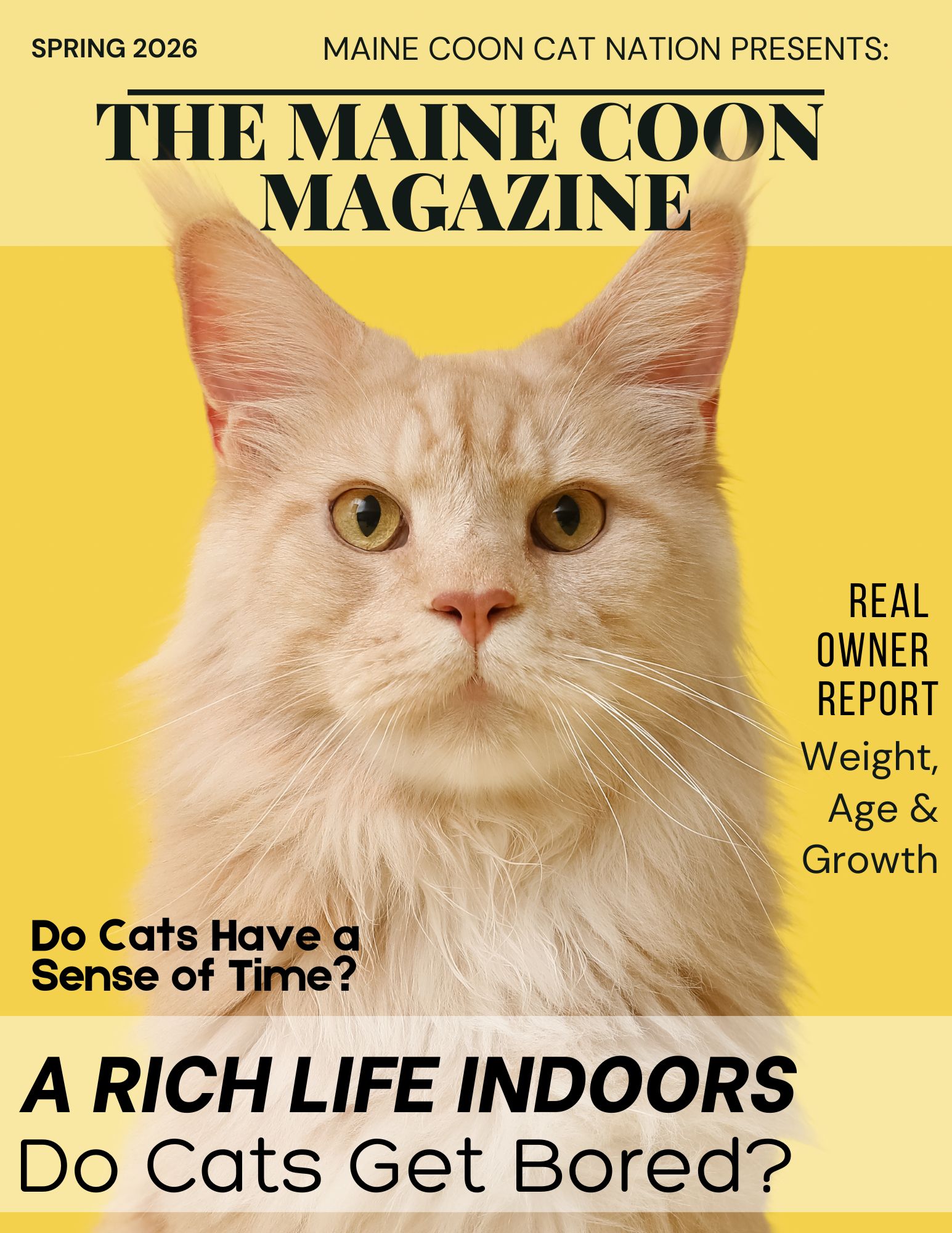
Love this site?
You’ll love our magazine too.
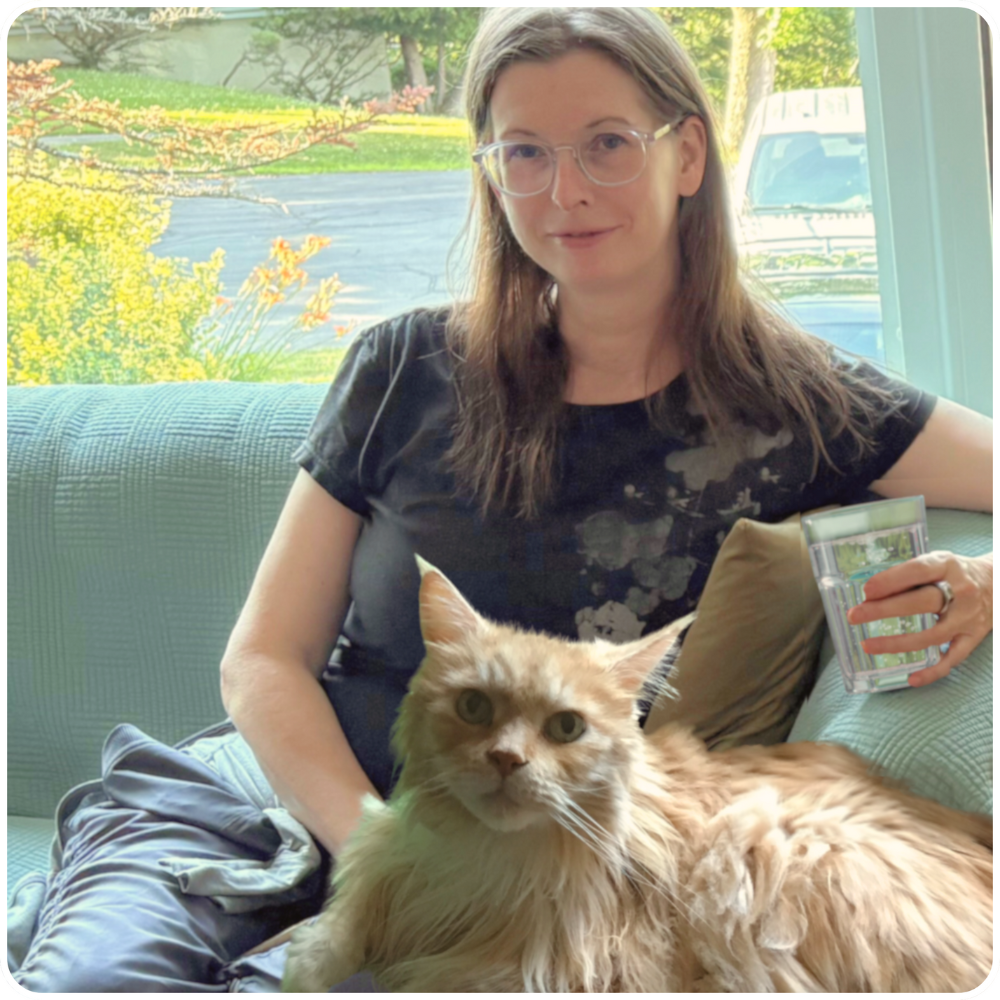
Hi, I'm Carrie! As a native Mainer, Coonie mom and author, I've spent over 14 years helping cat owners understand their Coonies and mixes. Real experience, research-backed insights - that's my approach. Happy, healthy cats - that's the result!
Curious about my experiences? Check out my About Page!
Let's Connect! ⬇️

COPYRIGHT © 2010 - 2026 MAINE COON CAT NATION | All Rights Reserved
THIS WEBSITE DOES NOT SELL ANY PERSONAL INFORMATION.
