- Home
- How to Find a Coonie
- About Maine Coon Cat Breeders
Maine Coon Cat Breeders: How to Choose a Quality Cattery
So you're ready to bring home your new companion - and you're doing the right thing by starting with research.
Finding the right Maine Coon Cat Breeders isn't about who has kittens ready now - it’s about who breeds with care and purpose.
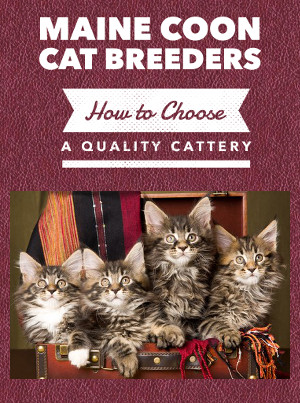 Finding Maine Coon Cat Breeders
pin to save for later!
The best programs focus on health, temperament, and preserving the breed’s standard for the long run.
Others simply see a business opportunity. The difference shows in the health, temperament, and confidence of every kitten that goes home.
A little knowledge now will save heartache later. With patience and the right questions, you'll know when you've found someone who's the real deal.
If you can't get enough of Maine Coons, you'll love our fun, free Daily Digest!

What Makes a Good Breeder?
A good breeder is easy to spot. They care about the future of the breed, not just the next litter.
 Percy, from our 4-month-old-album
Most belong to organizations like CFA, TICA, or MCBFA and often show their cats to keep their lines strong.
Health testing is non-negotiable. Ask about HCM, SMA, hip dysplasia, and PKD. Their kittens are raised underfoot, part of daily life from the start.
The difference shows: confident, healthy kittens versus backyard breeders that skip registration and testing altogether.
One gives you peace of mind - the other often results in a sad outcome.
How to Find a Reputable Breeder
There are a few reliable ways to find responsible Maine Coon Cat breeders, and the best approach is to start early.
The most responsible ones often have waiting lists - not because they're exclusive, but because they plan each litter carefully.
Breeding is done for health, temperament, and to improve the breed, not just to meet demand.
A limited number of litters each year means every queen gets individual care, and every kitten gets the attention and socialization it needs. That's well worth waiting for.
Cat shows are a great first step. You'll meet breeders face-to-face, see their show cats, and get a sense of who truly loves what they do.
Ask questions, listen to how they talk about their lines, and you’ll quickly learn who’s breeding for quality - not quantity.
Next, check reliable sources like our Maine Coon Breeder Directory. It lists catteries across the country, organized by state and region, so you can start narrowing your search.
Many are registered with CFA or TICA, and most include enough detail to help you decide which ones to contact.
Take a look at their websites when available. Photos of their cats, pedigrees, and thoughtful descriptions can tell you a lot about how they operate.
When you reach out, be sure you're communicating directly with the person who runs the cattery. A quick cross-check of their name and registration can save time and worry later.
If something doesn't feel right, it's worth pausing to learn the common warning signs of scams before sending money or personal information. (see: Kitten Scam Red Flags)
Questions to Ask a Breeder
When you’ve found a few Maine Coon breeders you feel good about, it’s time to ask questions. The right ones show that you’re serious and informed, and any ethical breeder will appreciate that.
Questions to ask:
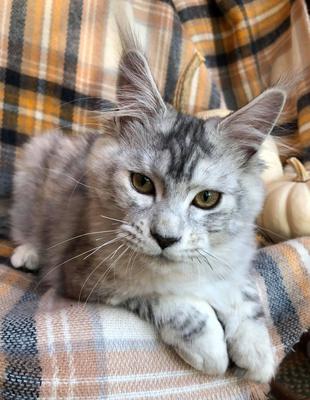 Maine Coon Breeders YellowstoneCoon share a photo of Ember Secrets
- Are your cats registered with CFA, TICA, or MCBFA? Registration shows accountability and dedication to the breed.
- Do you show your cats? Exhibiting helps maintain strong standards and keeps breeders connected within the cat fancy.
- What health testing do you perform? Look for screenings for HCM, SMA, hip dysplasia, and PKD.
- At what age do kittens go home? Twelve to sixteen weeks is typical. It allows time for proper growth and socialization.
- Are kittens sold with a contract or health guarantee? Responsible breeders provide written agreements.
- Can I visit the cattery or have a video call to see the parents? Openness and transparency are good signs.
- What kind of socialization do kittens receive before leaving? Early experiences shape confident, friendly companions.
- What is your spay/neuter policy or process for breeding rights? Ethical programs protect the integrity of the breed.
Asking your breeder questions is perhaps the most important part of the process.
It shows that you care about where your kitten comes from, and that you’re thinking ahead about health, temperament, and fit.
The best breeders appreciate thoughtful questions. They want their kittens to go to families who are just as careful as they are.
Breeder Ethics and Contracts
A good breeder is upfront about how everything works. You'll know exactly what’s included, what's expected, and what kind of support you'll have after bringing your kitten home.
Transparency is part of good ethics - it protects both you and the animals. That's where the contract comes in.
Breeding rights: Only a small number of kittens are sold with these. The rest are placed as pets under a spay or neuter agreement. This ensures that only healthy, carefully chosen lines are continued.
Contracts: Expect to sign one. It should clearly state the kitten's health status, the breeder’s responsibilities, and yours.
Most include a clause that the kitten must be returned to the breeder if you can no longer keep it. This is a sign of care, not control.
Health guarantees: Ethical programs provide written coverage for genetic or congenital conditions for a set time period.
Reputable breeders are open about the testing they've done and the lines they work with.
Honesty: If someone refuses to discuss these details or avoids paperwork altogether, that's a red flag. Responsible breeders are proud of their standards and want you to understand every step.
In short, the right contract protects everyone involved, and says a lot about the kind of person you're buying from.
Local vs. Long-Distance Breeders
When you can, we recommend staying local whenever possible.
Meeting in person gives you the clearest picture of how your kitten is being raised, and helps you avoid most of the pitfalls that come with buying sight unseen.
Local breeders:
Visiting in person lets you see the cattery, meet the parents, and observe how the kittens interact with people.
It's also the best safeguard against scams, since you’re handing payment directly to the person you’ve met face to face.
There's so much to know about this awesome breed! Join 1,200+ fellow Maine Coon lovers and get our free Daily Digest, for something new every morning:
Long-distance options:
Sometimes the right match is a few states away. In that case, make sure the cattery is registered and willing to schedule live video calls.
You should be able to see the kittens, their environment, and the person you’re speaking with. Transparency is the key to trust.
Shipping:
Transporting a live animal is possible, but it shouldn't be a first choice.
Reputable breeders who plan shipments do so carefully, and only under safe conditions - with proper paperwork, vaccines, and direct supervision.
If someone pushes to ship quickly or discourages questions, stop there. This is a sign of a scammer.
There are wonderful breeders in every state, including yours! Meeting them in person is always worth the effort.
The peace of mind you'll have knowing exactly where your kitten came from is something that can’t be shipped.
Red Flags and Scams
As you've probably noticed, we've mentioned scams and scammers a few times so far. This is an unfortunate aspect of the internet today, and one that anyone searching for a kitten needs to take seriously.
The good news is that once you know what to look for, these fake operations become much easier to spot.
Here are a few of the most common warning signs:
- Prices that seem too good to be true
- Requests for deposits through apps or gift cards
- Refusal to video chat or show the kittens live
- Vague answers when you ask for registration information
- Websites with stolen photos or inconsistent contact details
If any of these ring a bell, it's best to walk away and verify through trusted sources instead.
Our community keeps an updated list of frauds and fake sites.
Take a look before sending money or personal information to anyone. It's a quick step that can save a lot of heartache.
Real Experiences & Testimonials:
Choosing a breeder is easier when you can see how others' journeys turned out. Real families share what the process was like on our Breeder Testimonials and References page.
Every story is a little different, but together they paint a clear picture of what working with a trusted breeder looks like - and what to expect when you bring your kitten home.
About The Breed
Maine Coons are known for being gentle, friendly, and full of personality!
They're large, sturdy cats with long coats, tufted ears, and those signature plumed tails that make them so recognizable.
Despite their size, they’re social and affectionate - happy to follow you from room to room and just as content to curl up beside you at the end of the day.
They fit in easily with most households, from quiet homes to busy families, and they tend to get along well with other pets.
Their easygoing nature is part of what makes them such beloved companions.
You can learn more about their temperament and what to expect as they grow in our guide to kitten development.
Frequently Asked Questions (FAQ's):
"How much does a Maine Coon Cat cost?"
"How much does a Maine Coon Cat cost?"
An obvious question for anyone with a budget! Purebred animals are expensive. You can expect to pay in the thousands for your pedigreed kitten.
Price can vary depending on location, pedigree (does the kitten come from champion lines?), color (some colors, like black smokes, are stunning and rare) or other factors.
For example, polydactyl kittens will likely cost more. Visit our page on Maine Coon pricing for more information.
"How can you tell if a Maine Coon breeder is legit?"
"How can you tell if a Maine Coon breeder is legit?"
Transparency is everything. Look for registration with CFA or TICA, a professional online presence, and open communication.
A legitimate breeder will welcome your questions and never rush a sale - see our section on kitten scams (above) for examples of what to avoid.
"Are Maine Coons high maintenance?"
"Are Maine Coons high maintenance?"
They're actually quite manageable! Regular brushing keeps their coat beautiful and tangle-free, and they enjoy the extra attention.
You'll find simple tips for coat care in our guide to grooming longhaired cats.
Quick Glossary:
Cattery: The home or facility where breeding cats are raised and cared for. Reputable ones are clean, social, and registered with an organization like CFA or TICA.
Breeding rights: Permission, granted by the breeder, to use a cat for breeding. Most kittens are sold as pets under a spay/neuter agreement.
Pet quality: A purebred kitten that doesn’t fully meet the show standard but makes a perfect companion.
Show quality: A kitten that meets (or exceeds) the breed standard and may be shown in cat shows or kept for breeding.
Pedigree: The official record of ancestry showing registered parents and lineage.
Registered: Officially recognized by a cat association such as CFA or TICA. Registration helps verify the cat’s ancestry and authenticity.
HCM / SMA / PKD: Common genetic conditions Maine Coons are screened for - Hypertrophic Cardiomyopathy, Spinal Muscular Atrophy, and Polycystic Kidney Disease.
Raised underfoot: A term for kittens raised inside the home as part of the family, not in cages or separate rooms.
Backyard breeder: Someone who breeds without registration, proper health testing, or adherence to breed standards.
Looking for more guidance before you bring your new companion home?
« You'll find plenty of practical tips and links on our main page about Finding Maine Coons for Sale.
Love this site?
You’ll love our magazine too.
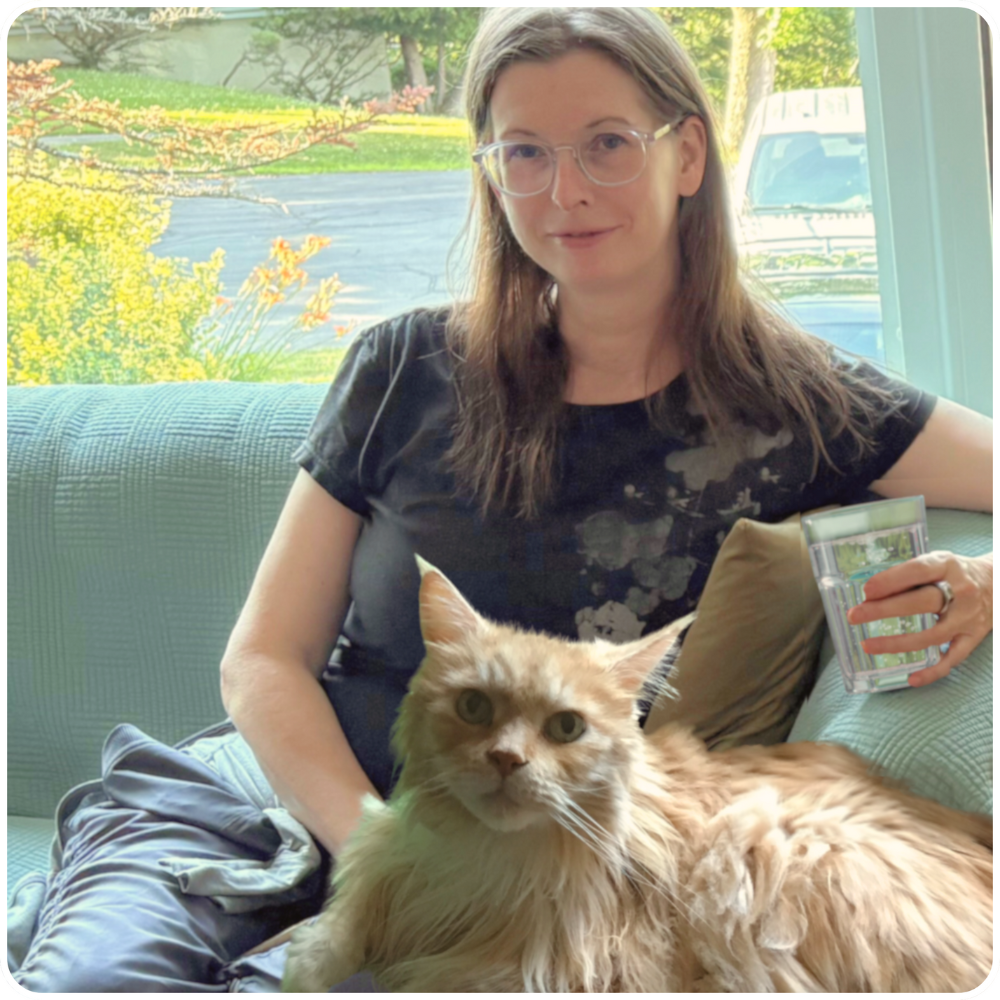
Hi, I'm Carrie! As a native Mainer, Coonie mom and author, I've spent over 14 years helping cat owners understand their Coonies and mixes. Real experience, research-backed insights - that's my approach. Happy, healthy cats - that's the result!
Curious about my experiences? Check out my About Page!
Let's Connect! ⬇️
COPYRIGHT © 2010 - 2026 MAINE COON CAT NATION | All Rights Reserved
THIS WEBSITE DOES NOT SELL ANY PERSONAL INFORMATION.
