- Home
- About Maine Coon Cats
- The Maine Coon Coat
Maine Coon Coat: Fluffy, Ever-Changing Fur
•
The Maine Coon coat is one of the breed's most defining features - but I'll admit, when I was a new Maine Coon owner, I was surprised by how different my kittens looked from the fluffy adults I'd seen online!
Their coats were relatively thin, their tails weren't as full as I expected, and they definitely didn't have that signature mane (or any mane really)!
If you can't get enough of Maine Coons, you'll love our fun, free Daily Digest!

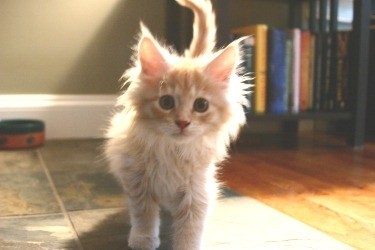 Baby Leo at about 13 weeks old
Then came the awkward teenage phase. Their fur seemed a little patchy in places, their tails looked too long for their bodies, and I started to wonder - when does a Maine Coon’s coat actually come in?
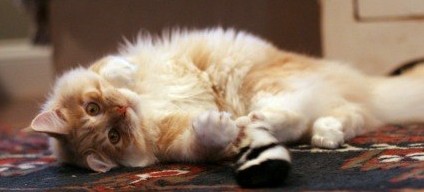 At 5 months, Leo's coat is getting thick but hasn't fully come in!
But sure enough, as the months passed, their fur thickened, their tails became bushier, and that gorgeous double coat I had been waiting for finally arrived.
Before I knew it, they had the full, flowing fur that makes Maine Coons so special.
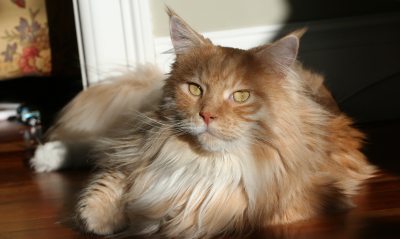 Full-grown Leo in all his fluffy glory!
If you've ever wondered about Maine Coon coat types, colors, textures, or how to care for all that fluff, let's dive into everything you need to know!
Do Maine Coons Have a Double Coat?
Yes! This breed has a thick, water-resistant double coat designed for harsh winters. Their fur consists of three layers: guard hairs, awn hairs, and an undercoat.
- The guard hairs are the longest, forming a protective outer layer that repels water and dirt.
- Beneath that, awn hairs add another insulating barrier, helping to regulate body temperature.
- The soft undercoat is the densest, trapping warmth in cold weather.
This unique fur structure keeps a Coonie comfortable in both winter and summer.
The undercoat thickens in colder months and sheds when the weather warms. Because of this, regular brushing is essential to prevent mats and keep their fur healthy.
While their hair is long and luxurious, it’s also surprisingly low-maintenance.
The silky texture means it doesn’t mat as easily as some other long-haired breeds.
Still, a good grooming routine will keep that thick mane and fluffy tail looking its best.
The Iconic Maine Coon Mane
One of the most striking features of this breed is the dramatic mane. The thick ruff around the neck gives them a regal, lion-like appearance.
Not all Coonies have the same level of fluff, though. Some develop a full, flowing mane, while others have a more subtle ruff.
Genetics play a big role, as does climate - cooler temperatures often bring out a thicker mane.
This signature fur starts to develop in kittenhood but may take years to fully grow in.
Many young Coonies go through an awkward phase where their neck fur looks sparse or uneven. Then, almost overnight, their mane fills out, framing their face beautifully.
While the mane adds to their charm, it also serves a purpose. That extra layer of fur helps protect the neck and chest from cold winds.
Regular brushing keeps it tangle-free and looking its best. Some Coonies even seem to enjoy the attention - after all, what's better than a little pampering?
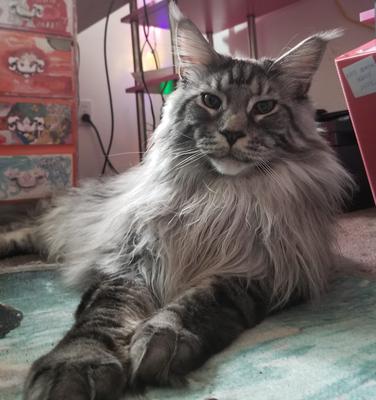 Biscuit has a long mane!
When Does a Maine Coon's Coat and Mane Come In?
The fluffy, full look of a Maine Coon doesn’t happen overnight. These kitties go through several stages before reaching their signature appearance.
At first, their fur is soft but not particularly long or thick. Many kittens have a wispy tail and barely any mane. Around six months, the hair starts to lengthen, but it can still look patchy or uneven.
At around the same age, the tail starts to fill out - part of their coat’s long evolution. Some go through a scruffy "teenage phase" where their mane seems lopsided or thin. It’s completely normal!
By three to four years, their coat reaches its full glory. The mane fills out, the tail is full and plume-like, and the undercoat thickens. Climate and genetics play a role - some develop fluff faster than others.
One day, you'll realize your once-scrawny kitty has transformed. That scraggly teenager will look like a majestic, full-coated Coonie before you know it!
Why Is My Maine Coon's Coat Still Thin?
On our Coats Q&A page, a reader asked a question that many, if not most, Coonie owners end up asking: "Why does my purebred Maine Coon still have a coat that looks shorter, thinner, and just not filled 'there yet'?"
You've chosen the Maine Coon breed, anxiously awaited your kitten, watched him or her grow into an almost adult, and their fur still seems… shorter than you expected!
Around the one-year mark, it's very common to see this concern. The body looks mature, with long frame, big paws, sometimes even a full tail - but the coat and mane haven't arrived yet.
The fur through the body or neck can seem thinner or a little uneven. This stage can stretch out longer than expected. Some develop that full coat earlier, while others take more time.
Even littermates can look completely different for a while, with one filling out quickly and the other staying more sleek. Many males don't reach full coat maturity until closer to 3 to 5 years.
The mane thickens, the body coat fills in, and everything starts to come together. It's not unusual for full-grown or nearly full-grown Maine Coon cats to still look light on coat well past kittenhood.
If your cat is healthy and not losing fur in patches, this usually comes down to timing and genetics.
Join our free Email Group for daily posts!
Maine Coon Coat Types & Textures
Not all Maine Coons have the same type of fur. Some have silky, flowing locks, while others are fluffier and more plush.
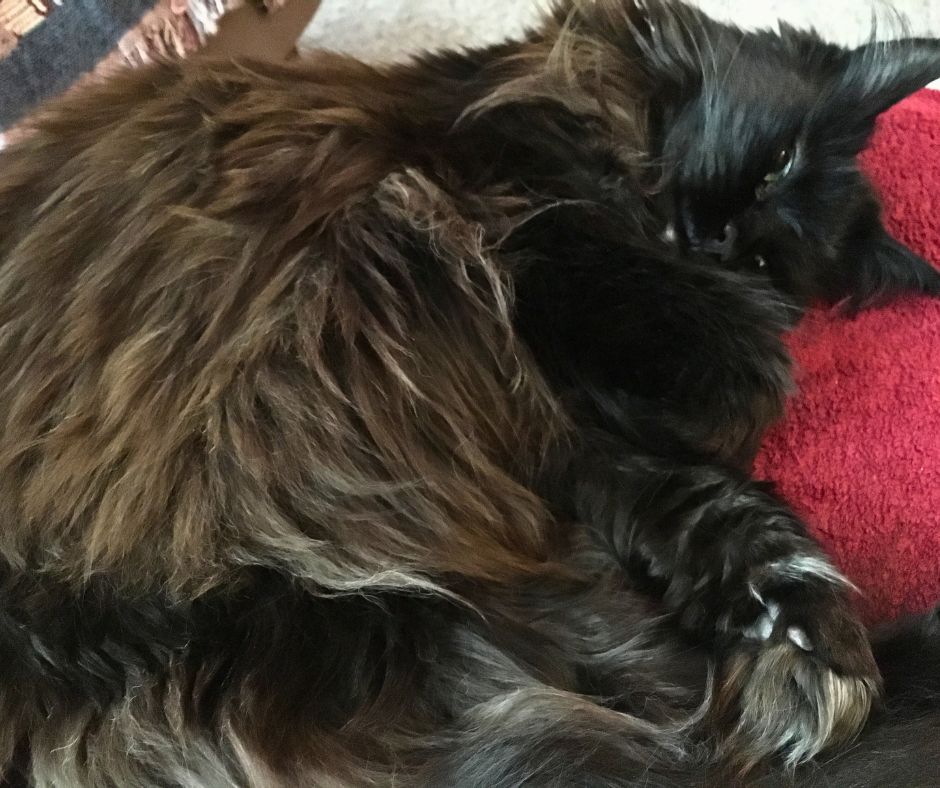
My black smoke, Alice, had the silkiest hair we'd ever seen. It felt smooth, almost like satin. Her brother, Leo, had a denser, more cottony texture. They both got the occasional mat, but Leo needed extra brushing - his fur texture tangled more easily.
Color can influence texture, too. Smokes and solids often have silkier hair, while tabbies and lighter shades tend to be fluffier. Some Coonies have fur texture that’s nearly tangle-proof, while others need frequent grooming.
Despite the differences, all have a water-resistant, insulating coat designed for the elements.
Regular brushing helps prevent knots and keeps their fur looking its best. If your Coonie’s hair feels extra prone to mats, try different combs and brushes till you find the one that's perfect for your Coonie's coat texture - it made all the difference for Leo!
Maine Coon Coat Patterns & Colors
These stunning felines come in a wide variety of colors and patterns. Common patterns and markings include classic, mackerel, and ticked tabby, as well as solid, tortoiseshell, smoke, and shaded.
Colors range from black, white, blue, red, and cream to more unique shades like silver or calico.
Some Coonies have striking bicolor or calico markings, while others sport the signature tabby "M" on their forehead.
Want to see all the possibilities? Check out our full guide to Maine Coon colors!
How the Maine Coon Coat Changes Over Time & Seasons
A coonie’s fur doesn’t stay the same forever - it transforms throughout their life.
As the seasons shift, so does their fur. In colder months, the undercoat thickens, giving them a fluffier, more luxurious look.
When warm weather arrives, they shed that extra insulation, revealing a sleeker summer coat.
Age also plays a role. As we discussed above, youngsters start with shorter, thinner fur, which gradually lengthens and fills out.
Some felines get fluffier with age, especially around the mane and tail. Others may see subtle color shifts, with smokes becoming more defined and silvers developing a richer contrast.
No matter how their fur changes, regular grooming keeps it healthy and beautiful!
Grooming & Coat Maintenance
Keeping a Coonie's fur in top-top shape takes regular care. Brushing two to three times a week helps prevent mats and reduces shedding.
During seasonal coat changes, daily brushing may be needed. A stainless steel comb works well for removing tangles, while a slicker brush helps with loose hair.
Shedding can be managed with frequent grooming and a healthy diet. If knots form, gently work them out instead of pulling.
Want a full guide on grooming techniques and the best tools? Check out our detailed grooming section here!
Do Maine Coons Like Being Brushed?
Most of these gentle giants enjoy brushing - if introduced properly. Start young, using soft strokes and plenty of praise. A relaxed kitty will associate grooming with affection rather than stress.
Let them sniff the brush before using it. Short sessions work best at first. If they resist, try brushing while offering treats or chin scratches. Some love belly rubs mid-grooming, while others prefer quick touch-ups.
Even if brushing isn’t their favorite activity, patience and consistency help. Over time, most Coonies learn to enjoy - or at least tolerate - their grooming routine!
Dealing with Mats, Shedding & Tangles
These fluffy felines shed year-round, but it ramps up in spring and fall. Expect extra loose fur as they transition between winter and summer coats.
To keep shedding under control, brush regularly with a slicker brush or deshedding tool. A stainless steel comb helps with tangles, especially in thick areas like the ruff and tail.
If mats form, avoid cutting them out - unless you have to. First, try to tame them by working them apart gently with a detangling spray and a wide-tooth comb.
Regular grooming not only prevents knots but also keeps fur soft, clean, and looking its best!
Fun Facts About the Maine Coon Coat!
- Water-Resistant Fur: This breed's thick, semi-long fur repels water, helping them stay dry in damp conditions. It's one of the many traits that hint at their rugged origins.
- Built for Snow: Their dense undercoat provides warmth, while large, tufted paws act like built-in snowshoes, making winter strolls more comfortable.
- Color Changing Fur? Some Coonies have coats that darken or lighten over time, especially smokes and silvers. Sun exposure can even give certain shades a slight reddish tint!
- Long Tail, Big Purpose: That bushy tail isn't just for looks. It helps with balance and can wrap around their body for extra warmth.
- Fluff Doesn't Happen Overnight: These felines take years to reach full fluff potential. That shaggy, majestic look comes with time!
From their water-repellent fur to their cold-weather adaptations, these big kitties have one of the most unique coats in the feline world.
Whether silky or fluffy, patterned or solid, every Coonie's fur tells a story. With the right care, their luxurious locks stay just as striking as their personalities!
Fur & Tail Care: Real-World Questions
From grooming tools and shedding to bathing, matting, and seasonal coat changes, this page walks through common Maine Coon fur and tail care questions using clear explanations and real owner scenarios.
« Head back to Maine Coon Cats Exposed to learn more about the traits and physical characteristics that make this breed so special.
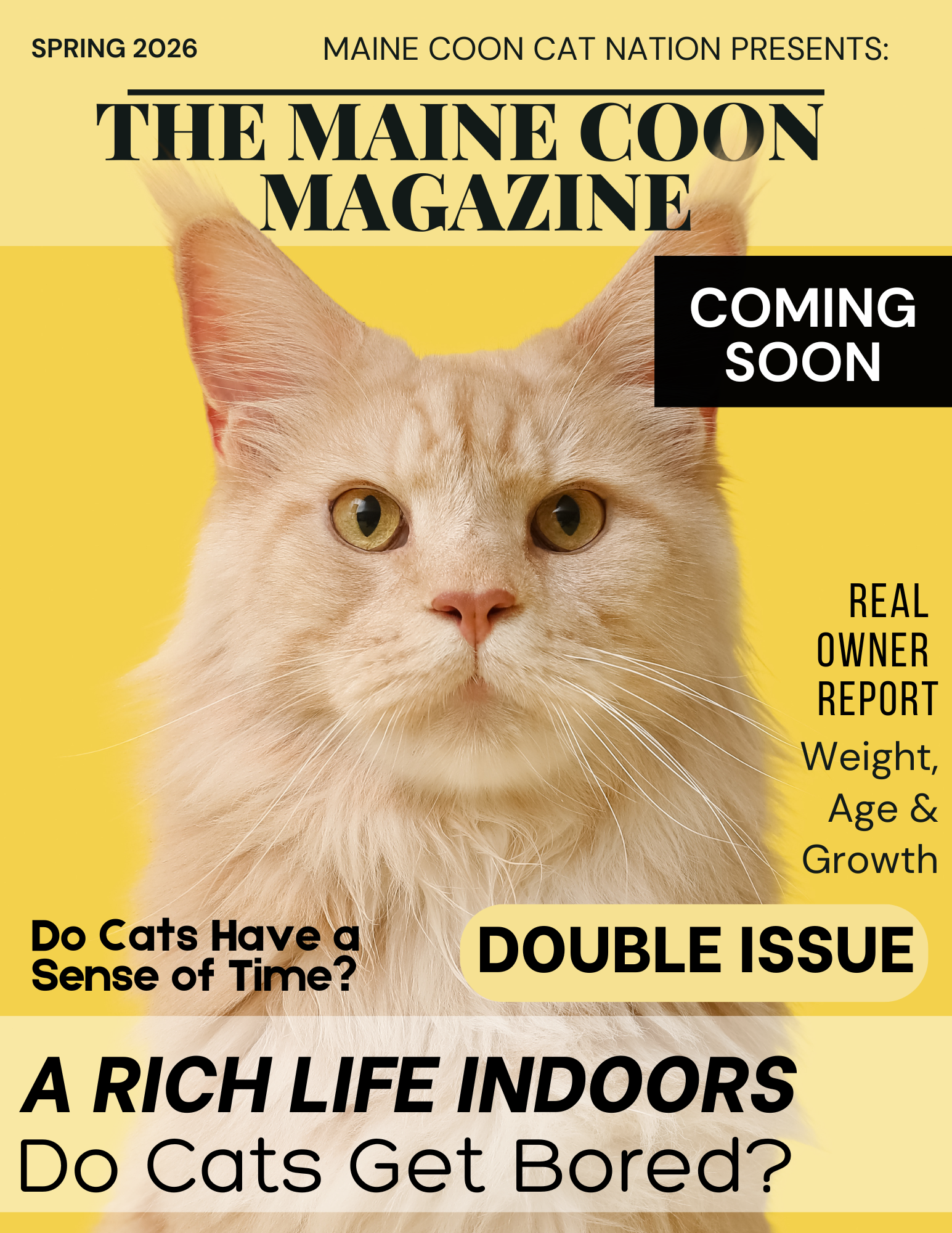
Love this site?
You’ll love our magazine too.
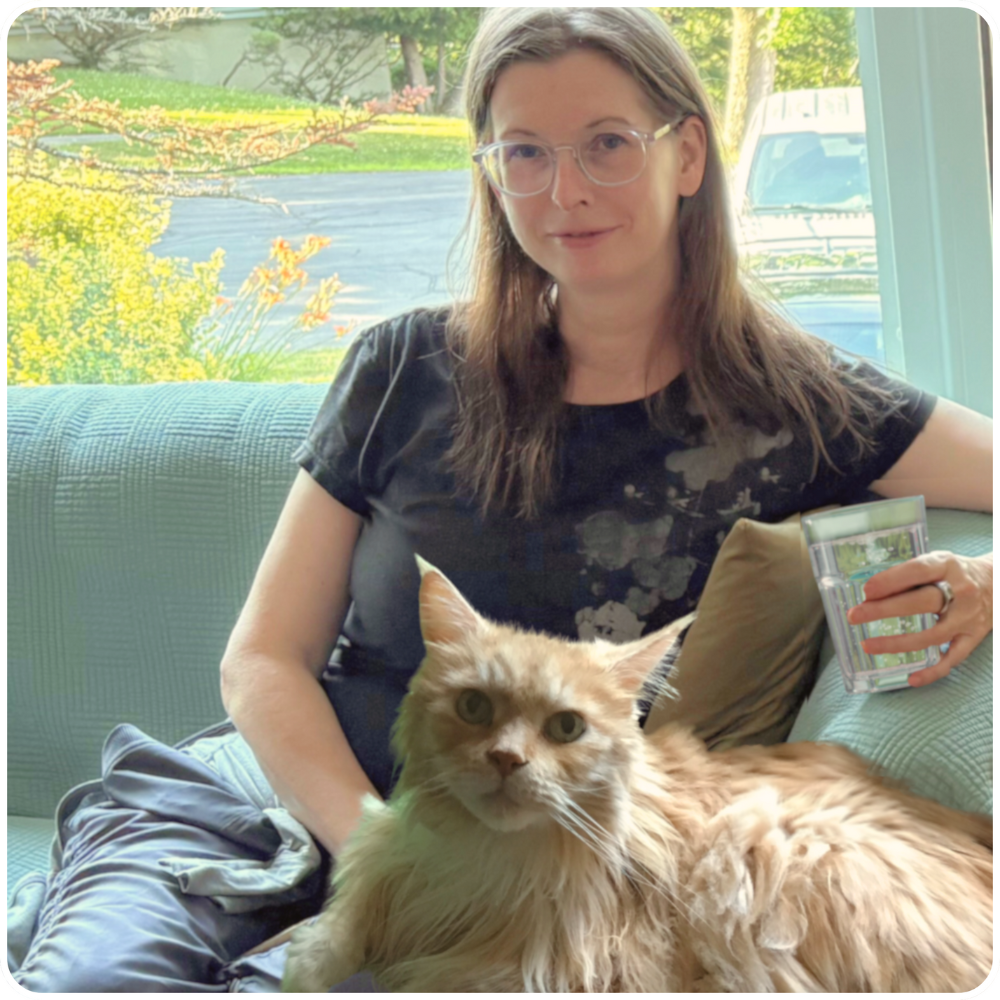
Hi, I'm Carrie! As a native Mainer, Coonie mom and author, I've spent over 14 years helping cat owners understand their Coonies and mixes. Real experience, research-backed insights - that's my approach. Happy, healthy cats - that's the result!
Curious about my experiences? Check out my About Page!
Let's Connect! ⬇️
COPYRIGHT © 2010 - 2026 MAINE COON CAT NATION | All Rights Reserved
THIS WEBSITE DOES NOT SELL ANY PERSONAL INFORMATION.
