- Home
- Maine Coon Cat Breed
- What is "Purebred"?
What Makes a Maine Coon Purebred? Pedigree, Registration, and Papers Explained
A reader recently asked whether a Maine Coon has to come with papers, or whether you can get one without them.
This gets right to the heart of what a purebred Maine Coon is.
If you can't get enough of Maine Coons, you'll love our fun, free Daily Digest!

Many people think papers are simply a bonus, like a certificate proving a cat has special, top-tier lineage or designer status.
In reality, registration papers document a cat's ancestry and pedigree. They're one of the few ways to verify that a cat is truly a purebred Maine Coon.
Of course, that doesn't mean every wonderful cat needs papers. Many beloved pets, lookalikes, and mixes never had them.
But if you're specifically looking for a purebred Maine Coon, understanding the role of pedigree and registration is important.
What Does Purebred Mean?
The technical definition of a purebred animal is:
• An animal whose ancestry consists entirely of members of the same breed. Purebred isn't about owning a fancy cat. It's about documented ancestry and predictable traits.
What Are "Papers"?
There are actually two things people mean when they say papers.
The first is registration with one of the cat organizations, and the second is the kitten’s pedigree.
Think of registration as the record that the cat exists within the system, while the pedigree is the family tree within that system.
In practice, when people say, "Does the kitten come with papers?" they may mean:
- registration papers
- pedigree papers
- registration certificate
- pedigree certificate
And they often lump all of it together as "papers."
What is Registration?
Registration is cat's entry into an official breed registry. It’s a record that says:
• This cat exists within this registry system, under this registered name, with this breeder, these parents, and this registration number.
• This cat comes from a documented breeding program whose ancestry can be traced and evaluated.
TICA and CFA maintain records of cats, litters, pedigrees, breeders, and registered names. Without that record-keeping function, pedigrees become difficult to verify over generations.
TICA and CFA also define breed standards. They provide a framework for cats to be evaluated against the breed standard.
That's part of how breeders learn whether their breeding decisions are moving toward or away from the standard.
What Is a Pedigree?
The pedigree tells you the ancestry behind the cat. It shows the cat's documented family tree, showing parents, grandparents, great-grandparents, and so on.
Many people hear "pedigree" and imagine champion bloodlines, elite ancestry and prestigious cats.
And a pedigree certainly can contain those things. But that's not what a pedigree fundamentally is.
At its most basic level, a pedigree is documentation of ancestry, a family tree.
Many newcomers assume "pedigree" automatically means: fancy - when it really means: documented.
Do I Need a Maine Coon "With Papers"?
Some people say:
I want a Maine Coon, but I don't care about the papers.
What they're often really saying is:
I want the breed, but I'd like to save money.
The problem is that the papers themselves aren't what make the kitten expensive.
The costs come from things like:
- health testing
- DNA screening
- quality breeding stock
- veterinary care
- registration fees
- socialization
- proper nutrition
- breeder support
The registration papers are simply one piece of a much larger system.
A responsible breeder may choose a healthy, DNA-tested pair with excellent temperaments because they want to increase the chances of producing healthy, friendly kittens that represent the breed well.
When someone deliberately looks for a "purebred without papers," they may be bypassing the very practices that make purebred breeding valuable in the first place.
That doesn't automatically mean the kitten will be unhealthy or have behavioral problems.
However, it does mean the buyer has less information about ancestry, health history, genetic testing, and whether the parents actually meet the physical and temperament traits associated with the breed.
In other words, the papers aren't the goal.
The goal is responsible breeding.
The papers are simply one way of confirming that process.
There's so much to know about this awesome breed! Join 1,200+ fellow Maine Coon lovers and get our free Daily Digest, for something new every morning:
Can You Tell If a Cat Is Purebred Just By Looking?
One reason people research purebred Maine Coons is to see if their cat might be one. Most often, someone sold them a kitten - on Craigslist, at a shelter, or through a casual connection - and called it a Maine Coon. Now they want to know if that's actually true.
So can you tell by appearance? Usually not. A cat can look exactly like a Maine Coon and not be one. Or, be a purebred Maine Coon and not match every stereotype people expect.
Ultimately, pedigree records tell you ancestry, and appearance tells you what a cat looks like.
Why Do Purebred Maine Coons Cost More?
Purebred Maine Coons often cost more because responsible breeders invest heavily in their breeding programs.
Health testing, pedigree research, veterinary care, registration, proper socialization, and raising kittens in a healthy environment all add to the cost.
Buyers aren't simply paying for a piece of paper. They're paying for the planning, care, and documentation behind the kitten.
If you'd like a closer look at what goes into the price of a kitten, we've covered that in detail on our page about Maine Coon kitten costs.
A purebred Maine Coon isn't defined by a fancy certificate or a particular look. What makes a cat purebred is documented ancestry.
Registration and pedigrees help verify that ancestry, while responsible breeding helps preserve the health, temperament, and traits that make the breed what it is.
Where to go next:
If you're researching purebred Maine Coons, a good next step is getting familiar with the breed characteristics - what they actually look like, how they're built, and what sets them apart.
And if you're getting close to buying a kitten, the kitten contract page is worth a read before you get there.
« There is a lot more to explore about this breed. Head back up to the Maine Coon Cat Breed page and dig in.
to-top
Love this site?
You’ll love our magazine too.
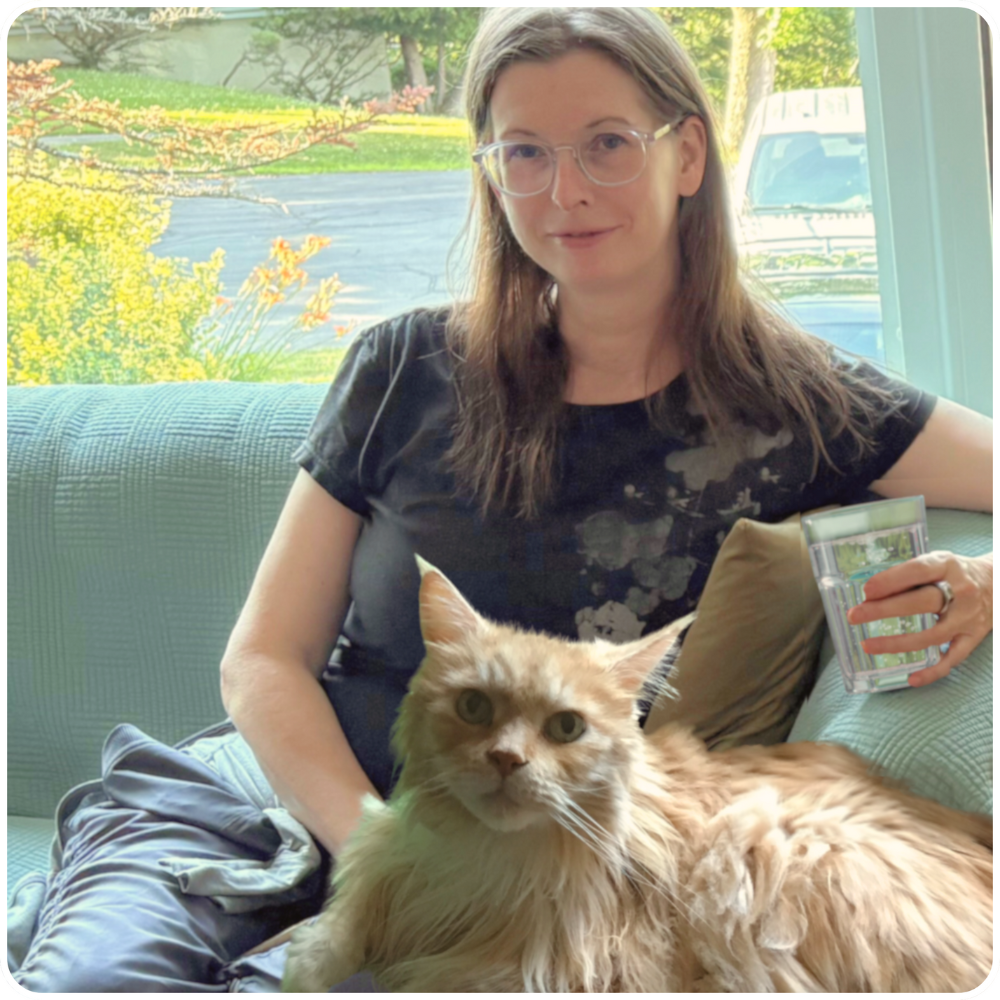
Hi, I'm Carrie! As a native Mainer, Coonie mom and author, I've spent over 14 years helping cat owners understand their Coonies and mixes. Real experience, research-backed insights - that's my approach. Happy, healthy cats - that's the result!
Curious about my experiences? Check out my About Page!
Let's Connect! ⬇️
COPYRIGHT © 2010 - 2026 MAINE COON CAT NATION | All Rights Reserved
THIS WEBSITE DOES NOT SELL ANY PERSONAL INFORMATION.
