- Home
- How to Find a Coonie
- Kitten Contracts
What Is a Kitten Contract - and Why Do Breeders Require One?
"I've been talking with a breeder about buying a Maine Coon kitten and she says I have to sign a contract before bringing him home.
I've never bought a purebred cat before so I don't understand.
Why do I need a contract just to buy a pet? I haven't done anything wrong.
She seems nice and I don't think she means anything by it. I just don't get why this is necessary or what's even in one. Is this normal?" -Sami, AZ
If you can't get enough of Maine Coons, you'll love our fun, free Daily Digest!

Hi Sami,
Yes, this is completely normal, and in fact, it's something I would expect from a reputable breeder.
If you haven't done this before, a kitten contract can seem formal.
After all, you're buying a pet, not a house. But a good, ethical breeder has spent months, and often years, planning, raising, and caring for that kitten before he ever goes home with a new family.
The reality is that breeders often don't truly know the people who inquire about their kittens.
You may seem kind, responsible, and honest during your conversations, and hopefully you are. But the breeder has likely spoken with many prospective buyers over the years. Some turned out to be wonderful homes. Others did not.
A contract helps establish expectations from the beginning. More importantly, it helps protect the kitten.
Most breeders are far less concerned about protecting themselves than they are about protecting the cats they've devoted so much time and effort to producing.
The contract serves as a roadmap for the kitten's future care and helps ensure everyone understands their responsibilities.
That doesn't mean every contract is identical. Some are quite simple, while others are several pages long. But there are a few things you'll commonly see in well-written kitten contracts.
Health Guarantee:
One thing you'll often see is a health guarantee.
This section explains what the breeder is guaranteeing about the kitten's health at the time of sale - and what happens if a serious hereditary condition is discovered later.
The details vary quite a bit from breeder to breeder, but don't be surprised if there are time limits, veterinary requirements, or specific procedures that must be followed.
Read this section carefully. It's important!
Spaying and Neutering:
Another common section involves spaying and neutering.
Most pet kittens are sold with the expectation that they won't be used for breeding.
A contract may require the kitten to be spayed or neutered by a certain age, or it may explain when registration papers will be released after proof of the procedure is provided.
This isn't meant to be controlling. Responsible breeders spend years, sometimes decades, working on health, temperament, and breed type.
They don't want kittens being bred casually, without the same level of planning and testing behind it. That's standard practice, and it's exactly what responsible breeding looks like.
Registration Papers
You may also see information about registration papers.
Many first-time buyers assume registration papers are the same thing as proof of quality.
That's not really what they do. Registration papers document a cat's pedigree and ancestry.
They show that the kitten comes from registered parents and allow the breeder to track bloodlines - who came from whom, and when.
Some breeders provide papers at pickup. Others send them later. Some register the kitten for you. The process can differ, but the contract should explain what to expect.
If something isn't clear, ask! Your breeder should be happy to walk you through the contract and explain what each section means before you sign anything.
Return-To-Breeder Clause
This one is simpler than it sounds. A return-to-breeder clause means that if you ever can't keep the cat, you contact the breeder before placing him elsewhere.
That's really the heart of it. Life happens - allergies develop, circumstances change - and this clause gives the breeder a chance to step in before the cat ends up on Craigslist or in a shelter.
When I see a return-to-breeder clause, I don't think "this breeder is trying to control people."
I think "this breeder still cares about this cat years down the road." That's a good sign.
There's so much to know about this awesome breed! Join 1,200+ fellow Maine Coon lovers and get our free Daily Digest, for something new every morning:
Breeding Rights
Another thing you might see is a section about breeding rights. Most pet kittens are sold without them.
In simple terms, that means the breeder is placing the kitten as a companion, not as a future breeding cat.
If someone wants to breed, the breeder usually wants to have a much deeper conversation about health testing, genetics, goals, and experience. The purchase price is often different as well.
For the average family looking for a wonderful pet (which is most of us) this section is usually pretty straightforward.
It's simply confirming that the kitten isn't being sold as part of a breeding program.
Buyer Responsibilities
Most contracts also spell out what the breeder expects from you as the owner.
That may include providing routine veterinary care, keeping the cat indoors, maintaining vaccinations, feeding an appropriate diet, or notifying the breeder if a serious health issue develops. It's actually not unreasonable when you think about it.
The breeder is trusting you with something they've invested a tremendous amount of time, money, and care into.
They're simply trying to make sure the kitten receives the same level of attention and love after he leaves their home.
And a Maine Coon - with that personality, that devotion and intelligence - deserves nothing less!
Questions to Ask Before Signing
Before you sign anything, take a few minutes to read through the contract carefully and make sure you understand it. A few good questions to ask include:
- What exactly does the health guarantee cover, and for how long?
- If my kitten develops a hereditary condition later in life, what happens?
- When am I expected to spay or neuter my kitten?
- Are registration papers included, and when will I receive them?
- If I can no longer keep my cat years from now, how does your return process work?
- Are there any parts of the contract that new buyers commonly misunderstand?
Don't worry about sounding inexperienced! Reputable breeders answer these questions all the time and should be happy to explain anything that isn't clear.
The contract should leave both you and the breeder with the same understanding of what is expected moving forward.
It's a wonderful thing when kitten is lucky to have someone asking all the right questions before he even comes home!
For more on finding a reputable breeder, what to expect from the process, and everything else that comes with buying a kitten, our Maine Coon Kittens for Sale section is a great next step.
Love this site?
You’ll love our magazine too.
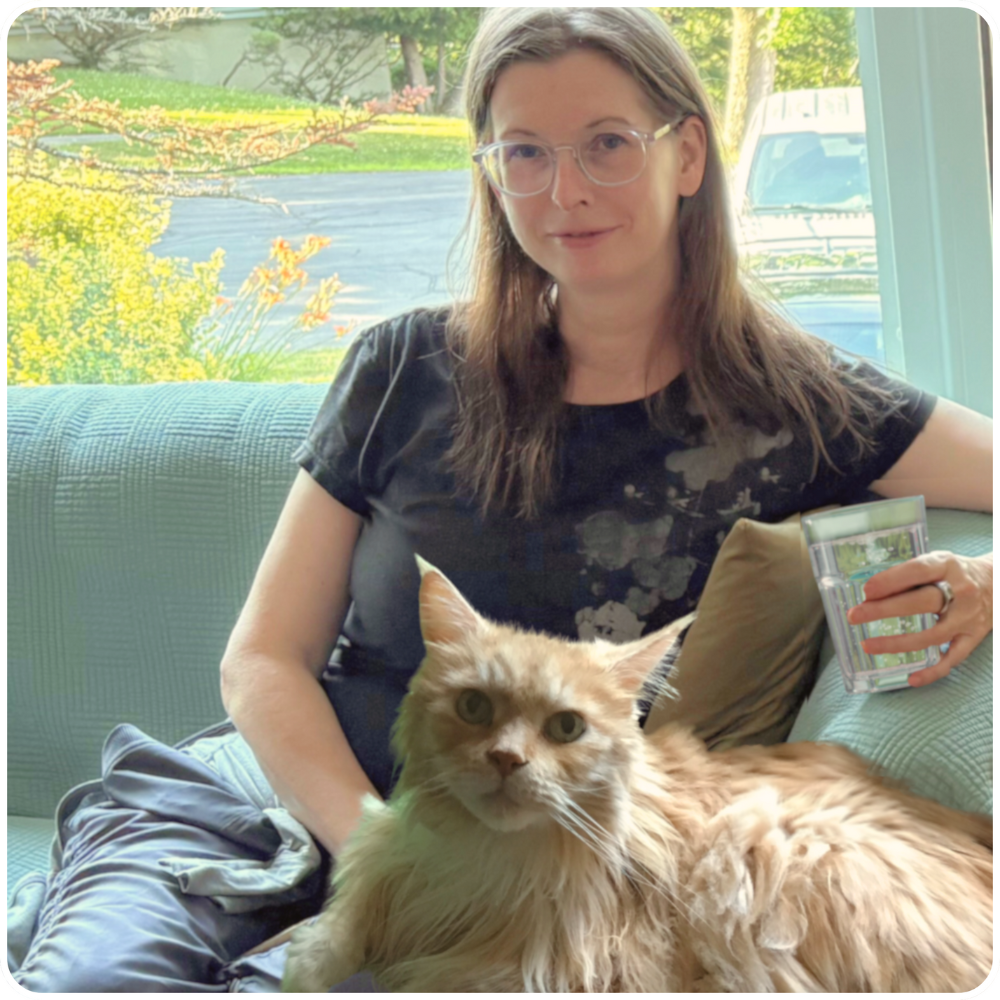
Hi, I'm Carrie! As a native Mainer, Coonie mom and author, I've spent over 14 years helping cat owners understand their Coonies and mixes. Real experience, research-backed insights - that's my approach. Happy, healthy cats - that's the result!
Curious about my experiences? Check out my About Page!
Let's Connect! ⬇️
COPYRIGHT © 2010 - 2026 MAINE COON CAT NATION | All Rights Reserved
THIS WEBSITE DOES NOT SELL ANY PERSONAL INFORMATION.
