- Home
- Maine Coon Mix?
- Shelter Breed Labels
Why Do Shelters Call Cats "Maine Coons"?
One of the questions we hear most often at MCCN comes from people who adopted from a shelter. They love their cat, but they want to know what the breed label really meant - and how accurate it was.
Browse any shelter website long enough and you'll find it. A beautiful longhaired cat will be listed simply as:
Breed: Maine Coon
If you can't get enough of Maine Coons, you'll love our fun, free Daily Digest!

It's a fair question, especially when most shelters have no idea where the cat actually came from.
So, how can they call the cat a Maine Coon? In a shelter, the breed field is often descriptive rather than definitive.
In other words, it's usually the staff's best visual assessment of the cat sitting in front of them - not a confirmed pedigree.
Shelters Usually Don't Know a Cat's Heritage
Unlike a kitten purchased from a breeder, most shelter cats arrive without a family history.
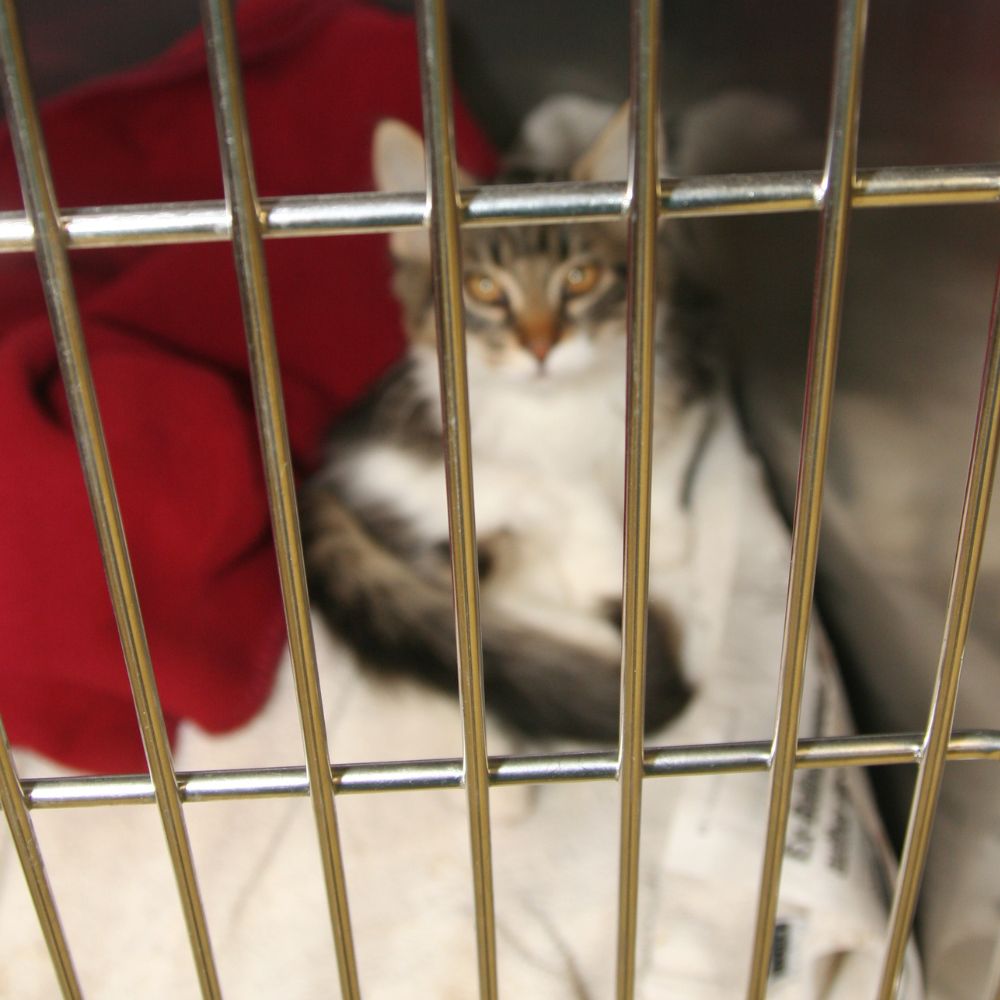
They may have been found as strays, surrendered by their owners, transferred from another rescue, or brought in after their owner became unable to care for them.
In many cases, no one knows where the cat came from or whether there is any purebred ancestry at all.
That means shelter staff have to rely on what they can actually see. They look at the cat's size, coat, body shape, facial features, and overall appearance to choose the breed label that seems to fit best.
It's usually an educated guess, not a confirmed identification.
Without registration papers or documented lineage, there's simply no way to know a cat's heritage with certainty.
That's why shelter breed labels should generally be thought of as descriptions rather than proof of ancestry.
Sometimes "Maine Coon-Type" Says It Best
Some shelters and rescue organizations choose the label "Maine Coon-type" instead of simply "Maine Coon." That's a more honest label, and a better one.
The phrase doesn't suggest the cat is a purebred or even that it has confirmed ancestry.
Instead, it tells potential adopters that the cat has some of the features people commonly associate with the breed.
Maybe it's a large cat with a shaggy coat, a long plume of a tail, or a friendly, easygoing personality.
'Maine Coon-type' really means, 'This cat reminds us of a Maine Coon.'
It's a description of appearance rather than a statement about heritage, and for many rescue cats, that's the most accurate description anyone can honestly give.
Why "Maine Coon" Ends Up on the Listing
When you see 'Maine Coon' on a listing, the shelter almost certainly isn't claiming to know the cat's pedigree.
More often, it's simply the closest match based on the cat's appearance.

Shelter staff have to choose something for the breed field, and if a cat is large, longhaired, has ear furnishings, a bushy tail, and an overall Maine Coon look, that label may be the most helpful choice.
It also tells people more than 'Domestic Longhair' would. Someone familiar with the breed immediately has an idea of the size, coat, and overall style of cat they're looking at.
In most shelters, the breed field is a visual description, not a verified family tree. It's there to help describe the cat in front of you, not to confirm where that cat came from.
Some Shelter Cats Really Do Resemble the Breed
Sometimes the resemblance is genuine. A shelter cat may have the large frame, rectangular body, shaggy coat, long plume of a tail, and ear furnishings that people immediately associate with them.
Some also have the friendly, sociable personalities that have made the breed so popular.
Of course, appearance alone can't confirm ancestry.
Many domestic longhaired cats naturally share one or more of these characteristics, and without a documented pedigree, there's no way to know whether the resemblance comes from genetics or simple coincidence.
Describing a cat as having a Maine Coon look, when that's genuinely the impression it gives, is perfectly reasonable.
And Occasionally, They Really Are
Every now and then, a shelter really does receive a purebred Coonie or a cat with documented ancestry.
An owner may pass away, develop serious allergies, face financial hardship, or simply reach a point where they can no longer care for the cat.
Reputable breeders sometimes retire older cats into carefully chosen homes, and unfortunately, hoarding situations and irresponsible breeding operations can also result in purebred cats entering rescue.
The cat you're looking at may genuinely be exactly what the listing says. The difference is that, in most cases, the shelter can't verify it.
Unless the cat arrives with registration papers or a documented history, staff can only work with the information they have.
Read a shelter listing as a description rather than a guarantee. When a shelter calls a cat a Maine Coon, they're usually giving you the closest picture they can of the cat in front of them.
Sometimes that cat truly is a Coonie. More often, it's a cat that shares many of the breed's best qualities - and for the right person, that's more than enough.
« For more on identification and lookalikes, head back up to the Maine Coon Mix page.
Love this site?
You’ll love our magazine too.
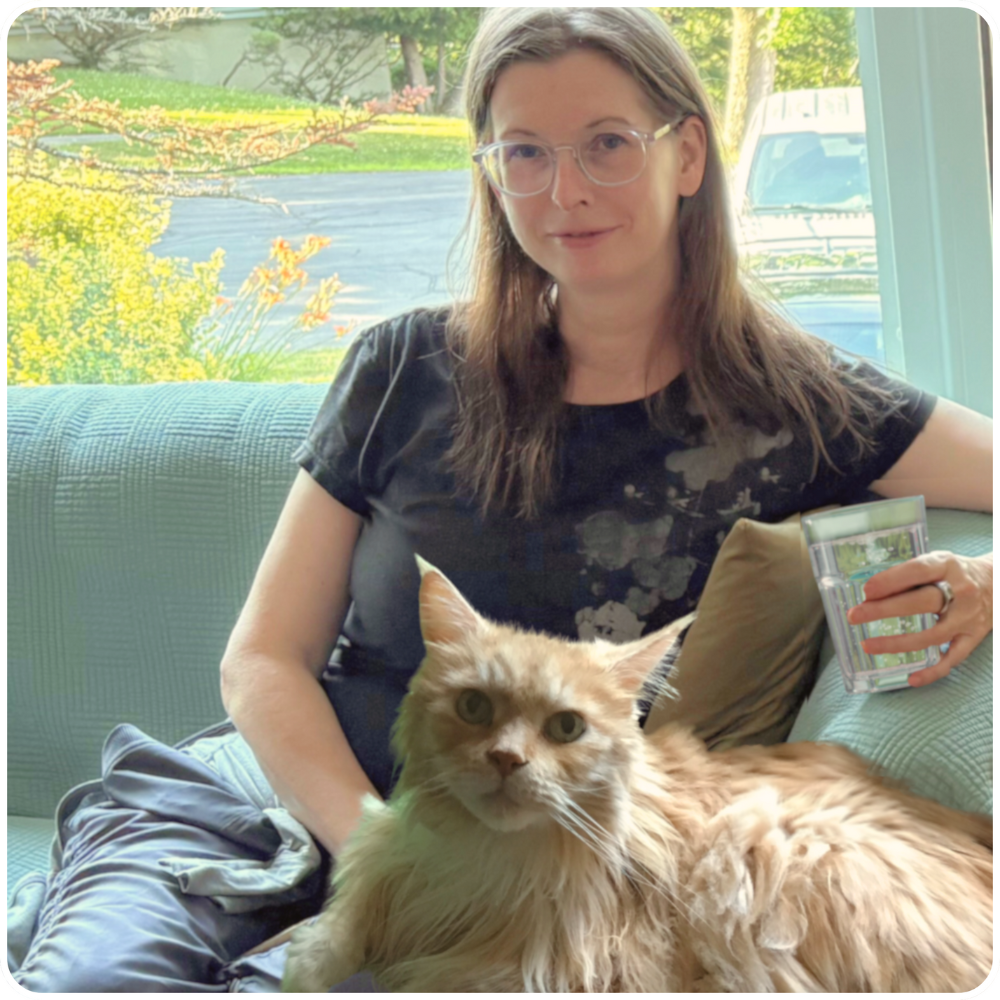
Hi, I'm Carrie! As a native Mainer, Coonie mom and author, I've spent over 14 years helping cat owners understand their Coonies and mixes. Real experience, research-backed insights - that's my approach. Happy, healthy cats - that's the result!
Curious about my experiences? Check out my About Page!
Let's Connect! ⬇️
COPYRIGHT © 2010 - 2026 MAINE COON CAT NATION | All Rights Reserved
THIS WEBSITE DOES NOT SELL ANY PERSONAL INFORMATION.
