- Home
- About Maine Coon Cats
- Maine Coon Cat Ears
- Lynx Tips
Do Purebred Maine Coons Need Dramatic Ear Tips?
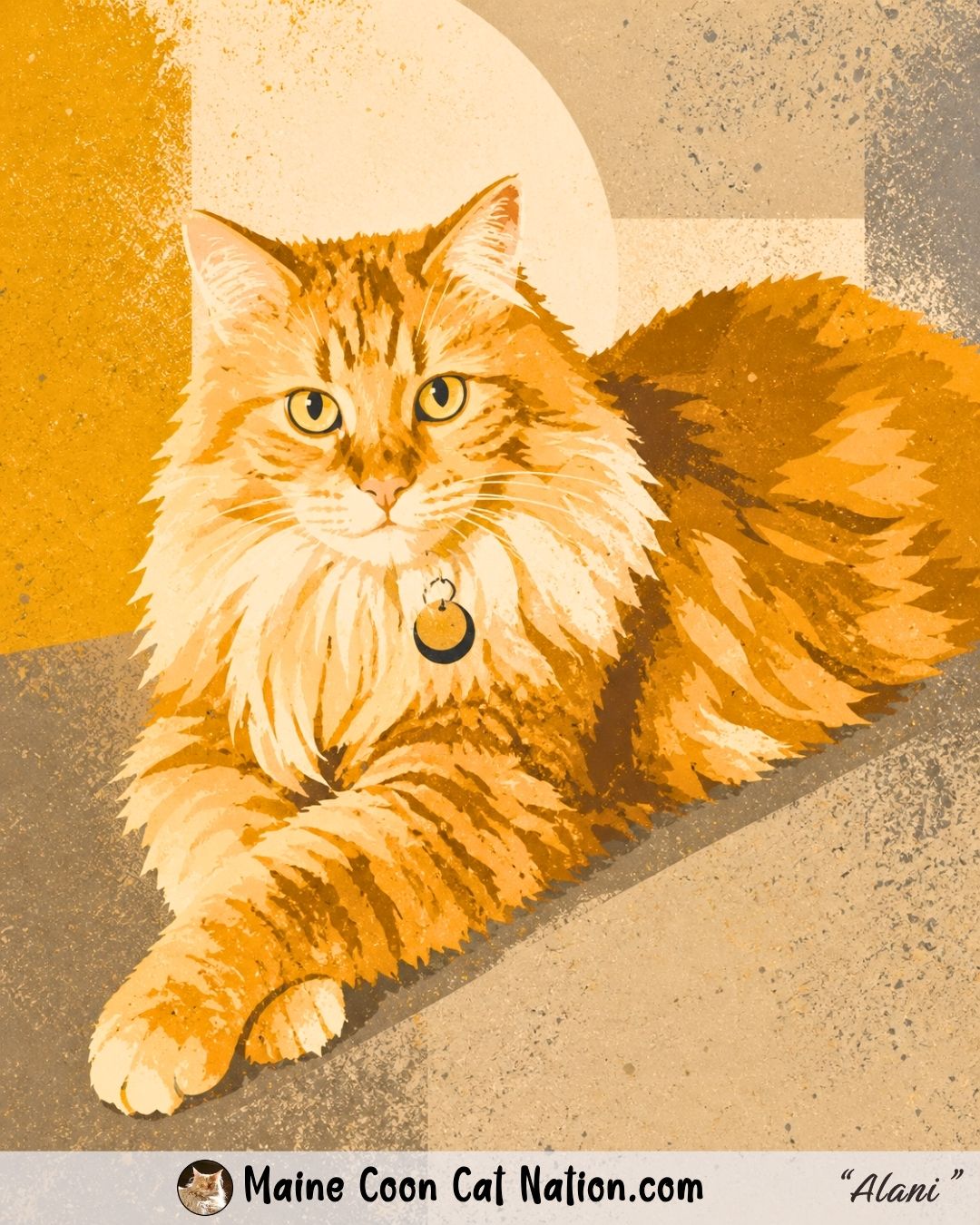
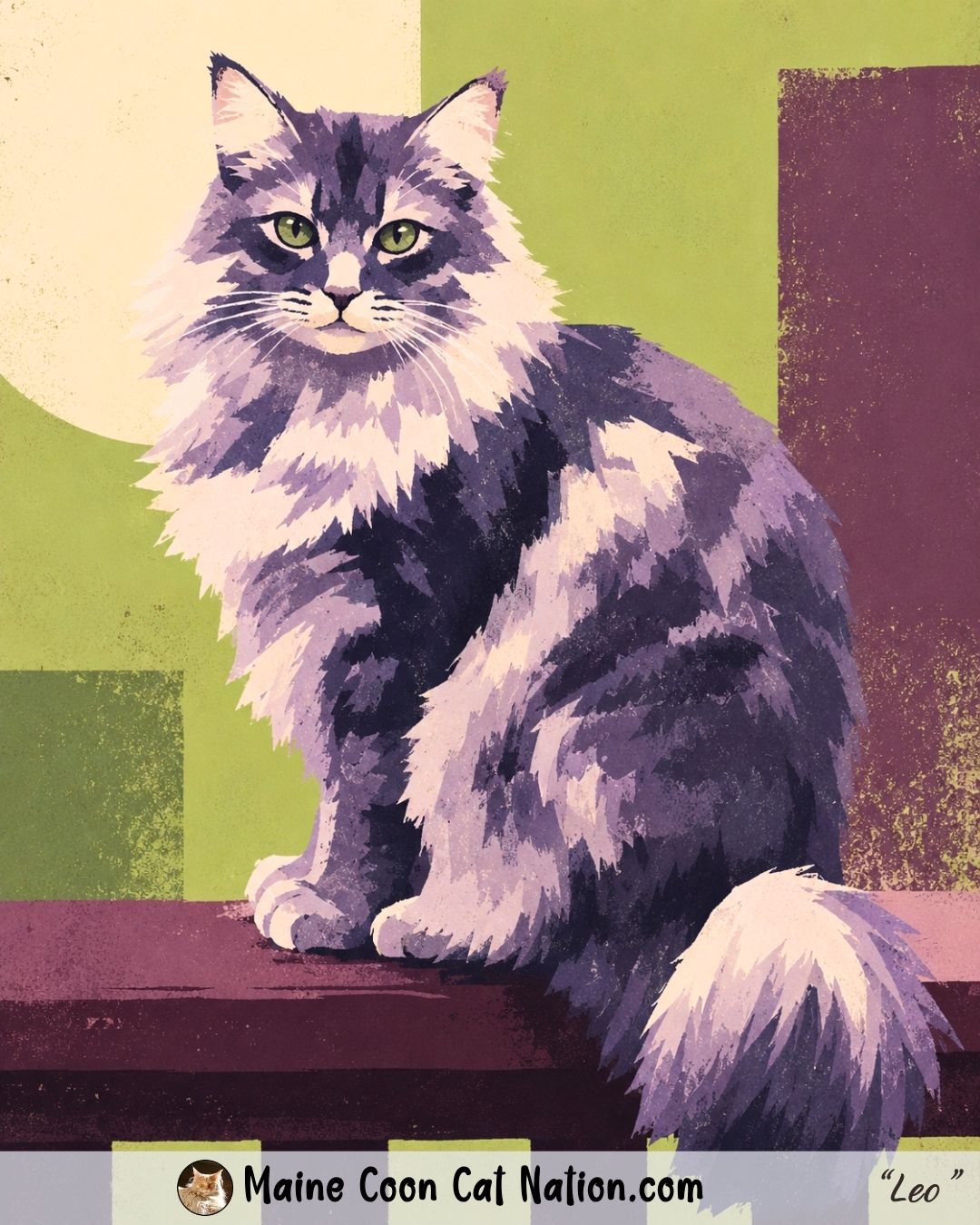
I received an interesting email recently after sharing artwork of a purebred Maine Coon in our daily digest email.
The reader's response was essentially: "Doesn’t even look like a Maine Coon. Not even any ear tufts."
That reaction says something interesting about how the internet has shaped people’s expectations of the breed.
If you can't get enough of Maine Coons, you'll love our fun, free Daily Digest!

Are Dramatic Ear Tips Required?
Ear tufts and lynx tips are absolutely desirable traits. Many breeders work hard to produce them, and many owners adore the dramatic look they create. They've become one of the most recognizable visual features associated with Maine Coons.
But tall lynx tips are not required for a cat to be a purebred Maine Coon.
Some purebred Maine Coons have huge, noticeable lynx tips. Some have small ones. Some barely have visible tufts at all.
Social media has pushed the breed toward increasingly exaggerated visuals over the years, to the point where people now think giant lynx tips are mandatory for legitimacy.
They aren't.
The same goes for extreme size, ultra-square muzzles, or oversized coats. While those traits may be striking or fashionable, the breed itself has always had natural variation within the standard.
The important distinction is this:
Large, well-furnished, properly set ears are part of the breed standard. Dramatic lynx tips, however, are considered desirable rather than mandatory proof of purity.
Here's what the standards themselves support:
The TICA wording says:
"Moderately pointed ears appear taller due to lynx tips."
That phrasing describes lynx tips as an enhancing feature, not a requirement. There is also no listed fault or penalty for lacking dramatic tips. [1]
Likewise, the penalties section addresses:
ears too close together, narrow bases, and flared ears, but does not penalize missing or subtle lynx tips.
The CFA wording is slightly stronger because it uses: "large, well-tufted"
However, even there, the standard does not specify that giant visible lynx tips are required for legitimacy or registration.
It describes the ideal show appearance, not a pass/fail purity test. [2]
More importantly, breeder/fancier organizations such as the MCBFA repeatedly use wording like: "lynx-like tipping is desirable" or "lynx-tufts are desirable"
Even TICA itself warns against imbalance and exaggeration: "Overall balance and proportion are essential... no one feature should dominate the appearance of the cat." [3]
A Real-Life Example From Our Community
This conversation actually came up years ago in our original Maine Coon Cat Nation community, long before today's social media obsession with exaggerated features.
When Sharon shared photos of her pedigreed boy, Sir Arthur Brandybuck of Addison Downs, one commenter questioned whether he looked fully Maine Coon because he lacked dramatic ear tips:
"Pretty kitty. Looks more like a Norwegian Forest cat or a Siberian cat to me. But I'm sure there's some Maine Coon in him too."
Another community member quickly chimed in with an important reminder:
"One of mine doesn't have the big tippie ears... while its litter mates both have big tippie ears."
Sharon herself then clarified:
"Arthur is a pedigreed ME Coon. He does not have Lynx tips and Lynx tips are desirable but not required in the standard."
Arthur's page is now part of our Memory Lane project, preserving some of the wonderful cats, conversations, and community moments that helped shape Maine Coon Cat Nation over the years.
It's a perfect example of how easily internet expectations can overshadow the natural variation that has always existed within the breed.
Many beautiful, well-bred Maine Coons would surprise people who only know the breed through viral photos online.
For more about those unmistakable ears, from furnishings and lynx tips to ear care and fun facts, head back to our full guide on Maine Coon Ears.
References:
Love this site?
You’ll love our magazine too.
Hi, I'm Carrie! As a native Mainer, Coonie mom and author, I've spent over 14 years helping cat owners understand their Coonies and mixes. Real experience, research-backed insights - that's my approach. Happy, healthy cats - that's the result!
Curious about my experiences? Check out my About Page!
Let's Connect! ⬇️
COPYRIGHT © 2010 - 2026 MAINE COON CAT NATION | All Rights Reserved
THIS WEBSITE DOES NOT SELL ANY PERSONAL INFORMATION.
