Maine Coon Heart Disease (HCM)
If you're researching Maine Coons, chances are you've already come across the term HCM.
It sounds serious, and it raises a lot of questions - about breeders, about screening, about what it means for a cat you already have or one you're thinking about bringing home.
Fortunately, the picture isn't nearly as hopeless as it sometimes sounds online. Here's what every owner should know.
If you can't get enough of Maine Coons, you'll love our fun, free Daily Digest!

What is HCM?
HCM, or hypertrophic cardiomyopathy, is a condition where the walls of the heart gradually thicken, making it harder for the heart to pump blood effectively.
It's the most common heart disease in cats of all breeds, not just Maine Coons, though Maine Coons are among the breeds known to carry a genetic mutation associated with it.

That genetic link is why you'll hear about HCM so often in conversations about this breed specifically.
It doesn't mean every Maine Coon has it or will develop it. It does mean responsible breeders take HCM very seriously.
Over the years, genetic testing and heart screening have become important tools for producing healthier breeding lines and helping owners make informed decisions.
That also means not every Maine Coon starts from the same place. A kitten whose parents have been genetically tested and regularly screened by a cardiologist has an advantage over one from an unknown background.
Even then, nothing is guaranteed. Some cats that carry the genetic mutation never develop HCM, while others do.
That's why breeders rely on both DNA testing and heart screening, rather than either one alone.
What Should Owners Watch For?
The symptoms of HCM can include lethargy, labored or rapid breathing, reduced appetite, and weight loss. In some cases a veterinarian will detect a heart murmur during a routine exam.
Occasionally the first sign is sudden rear leg weakness or paralysis, caused by a blood clot - a serious complication that requires immediate veterinary attention.
The difficult reality is that many cats show few or no obvious signs until the disease has already progressed.
This is one reason routine veterinary exams are so important. Listening to the heart during those visits gives your veterinarian the opportunity to detect murmurs or rhythm changes that may warrant further investigation.
How Do Responsible Breeders Screen for HCM?
If you're buying a kitten from a breeder, this is one of the most important conversations you'll have.
Today, responsible Maine Coon breeders have two main ways to screen for HCM, and both serve a different purpose.
The first is a DNA test for the MYBPC3 gene mutation associated with HCM in Maine Coons. A simple cheek swab or blood sample can identify whether a cat carries that particular mutation.
The second is an echocardiogram (often called an "echo"), an ultrasound that allows a veterinary cardiologist to examine the heart itself.
Unlike a DNA test, an echocardiogram looks at how the heart is actually functioning and whether any thickening of the heart muscle has developed.
Each tells you something different.
A DNA test only looks for the known genetic mutation. It doesn't guarantee a cat will or won't develop HCM.
Likewise, a normal echocardiogram reflects what the heart looks like at the time of the exam, not necessarily what it will look like years later.
That's why many experienced breeders use both. DNA testing helps guide breeding decisions, while periodic cardiac ultrasounds monitor the long-term health of their breeding cats.
When you're talking with a breeder, don't be afraid to ask what screening they perform and how often.
Reputable breeders expect these questions, and most are happy to explain the steps they take to produce healthy kittens.
Should Pet Owners Be Concerned?
For most owners, the answer isn't to panic - it's to stay informed.
If your Maine Coon came from a breeder who performs both genetic testing and cardiac screening, you've already started from the best possible place. Even then, routine veterinary exams remain an important part of your cat's ongoing care.
During those visits, your veterinarian isn't just checking weight or updating vaccines.
They'll also listen carefully to your cat's heart for murmurs, irregular rhythms, or other changes that could suggest a problem.
If they hear something concerning, they may recommend additional testing or refer you to a veterinary cardiologist for an echocardiogram.
There's so much to know about this awesome breed! Join 1,200+ fellow Maine Coon lovers and get our free Daily Digest, for something new every morning:
Routine DNA testing isn't something every pet owner needs to pursue. It's more often used by breeders to make informed breeding decisions.
For pet cats, the combination of regular veterinary care, paying attention to any changes at home, and following your veterinarian's recommendations is usually the most practical approach.
If your cat is diagnosed with HCM, it doesn't automatically mean the worst. Every case is different.
Some cats develop severe disease, while others continue living comfortably for many years with careful monitoring and appropriate medication.
The most important thing is to work closely with your veterinarian, keep up with recommended follow-up care, and focus on the cat in front of you rather than the frightening stories you may come across online.
Fortunately, awareness of HCM has never been higher. Responsible breeding programs, better screening tools, and advances in veterinary cardiology have all helped owners and breeders make better decisions than ever before.
HCM is a condition every Maine Coon owner should understand. Responsible breeders, regular veterinary care, and informed owners have made a tremendous difference over the years.
With the right information and good preventive care, you should expect your Maine Coon to go on to live a long, healthy life.
« Return to Maine Coon Health Problems
Go back to the main health section to browse more conditions, symptoms, and care topics.
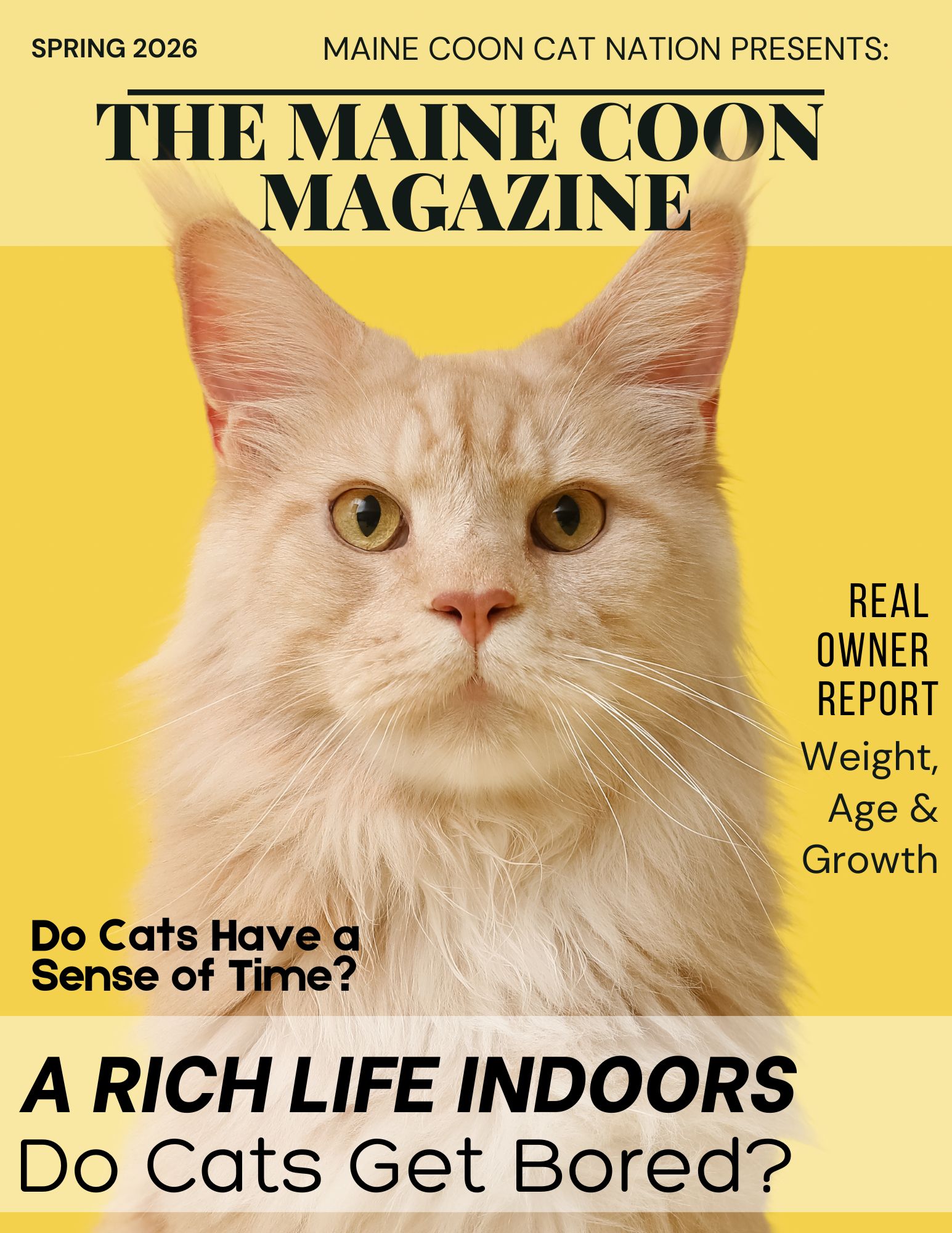
Love this site?
You’ll love our magazine too.
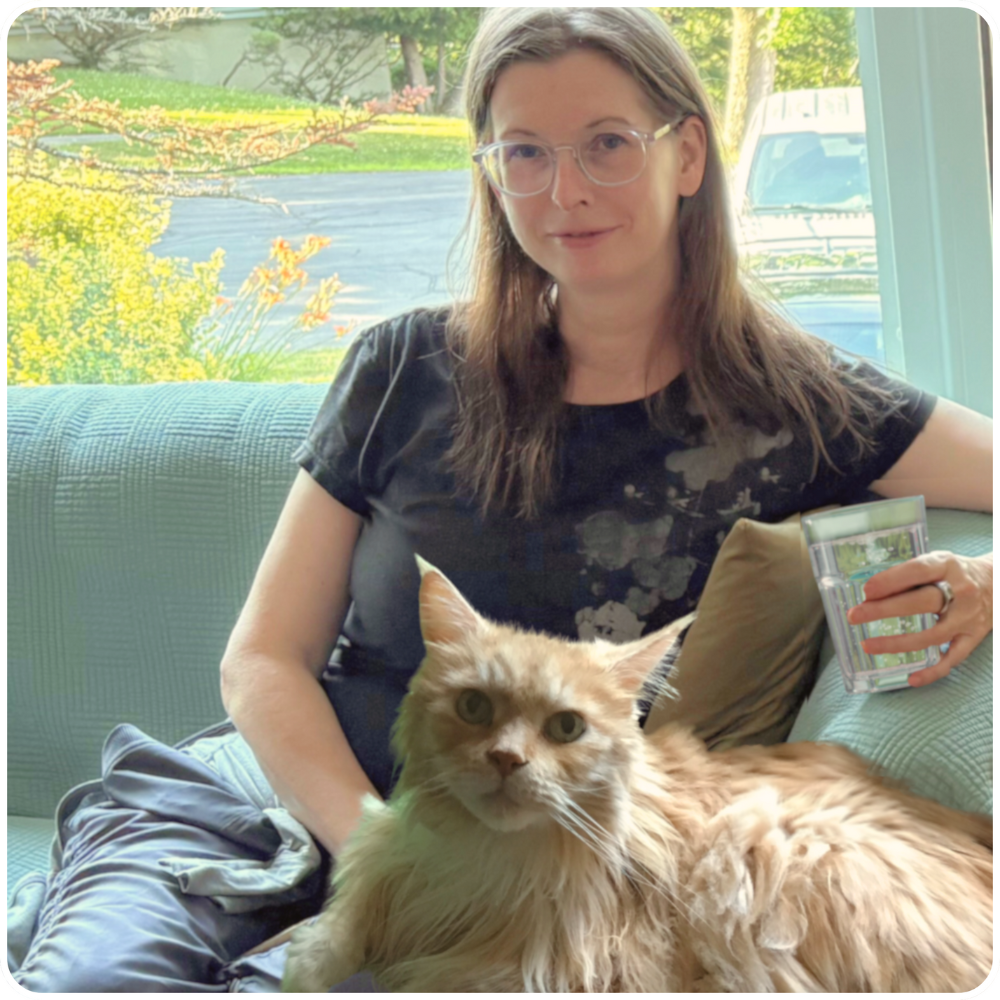
Hi, I'm Carrie! As a native Mainer, Coonie mom and author, I've spent over 14 years helping cat owners understand their Coonies and mixes. Real experience, research-backed insights - that's my approach. Happy, healthy cats - that's the result!
Curious about my experiences? Check out my About Page!
Let's Connect! ⬇️
COPYRIGHT © 2010 - 2026 MAINE COON CAT NATION | All Rights Reserved
THIS WEBSITE DOES NOT SELL ANY PERSONAL INFORMATION.
