- Home
- Maine Coon Food
- Cat Food Ingredients
Disclosure: this site is reader-supported. When you buy through links on our site, we may earn a small commission, at no extra cost to you.
Understanding Cat Food Ingredients and Labels
It can be confusing, trying to decipher all those mysterious cat food ingredients. We all want the best for our pets, including the best cat food.
If you can't get enough of Maine Coons, you'll love our fun, free Daily Digest!

Judging a food by its cover can be dangerous, since so many claim to be the "best", "healthiest", or "all-natural". Here are lots of ingredients, and what they mean.
Going to the pet store for your cat food is a good idea, but even the pet store will offer a range of quality.
Taking a few minutes to look at the label yourself can tell you far more than a quick recommendation.
How to Read a Cat Food Label
Picking up a bag and flipping it over can feel like reading a different language. Once you know what to look for, it gets much easier to sort through.
First 3 ingredients rule
The first few items tell you most of what you need to know.
They make up the bulk of what's in the food, so take a close look at what shows up right at the top. If those first ingredients look solid, you're off to a good start. If they don't, the rest of the list won’t make up for it.
Protein first
Cats are built to run on protein.
Look for a named meat or fish source leading the list. Chicken, turkey, salmon - something specific.
When the top of the list leans heavily on grains or plant-based fillers, it usually shows up later in coat condition, digestion, or overall energy.
Watch for ingredient splitting
This one can be easy to miss.
You might see corn listed a few different ways - corn, corn gluten meal, corn flour.
Each one looks like a smaller amount on its own, but together they add up.
It's a way of moving those ingredients down the list so they don't appear as dominant as they really are.
Don’t get distracted by marketing
The front of the bag is designed to catch your eye.
Words like "natural," "premium," or "holistic" sound reassuring, but they don't tell you much about what’s actually inside.
The real information is always on the ingredient panel, not the label on the front.
Look at the whole picture
It's easy to zero in on one ingredient and decide from there, but it helps to take a step back.
A single item doesn't define the quality. What matters more is how everything comes together - where the protein is coming from, how much filler is included, and how the overall list reads from top to bottom.
You'll also start to notice how different foods affect your cat over time, which can be just as helpful as anything on the label.
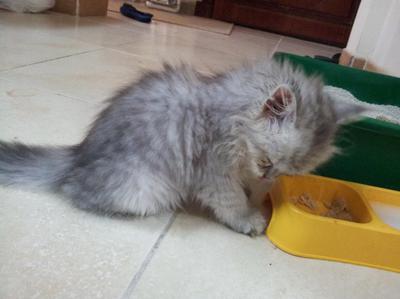 Little Babosa, from our 2013 Albums
There's so much to know about this awesome breed! Join 1,200+ fellow Maine Coon lovers and get our free Daily Digest, for something new every morning:
Cat Food Ingredients To Avoid:
Lower-cost options often rely more heavily on fillers, though price alone doesn’t always tell the full story.
They will contain some cat food ingredients you might not want to think about. Here are a few which have been defined by The Association of American Feed Control Officials (AAFCO):
Chicken-By-Products:
Chicken by-products consist of the rendered, clean parts of the carcass of slaughtered chicken, such as heads, feet, viscera (also known as innards, or offal).
Chicken-By-Product Meal:
Chicken by-product meal is the dry, ground, parts of the carcass, such as necks, feet, undeveloped eggs, and intestines.
You'll want to steer clear from the cat food ingredients above, for obvious reasons. Some are quick to point out that when a cat catches and eats it's prey, he eats the whole thing, not just the "white meat".
But, a cat would not choose to primarily eat those parts day in and day out, skipping over the quality meat. That would not provide the nutrition their body needs.
This subject wouldn't be complete unless we mention that the process by which the parts are rendered and marked as unfit for human consumption is enough to turn the stomach of most people.
Corn Meal:
Corn meal is the entire corn kernel, finely ground.
Corn Gluten Meal:
Corn gluten meal is the dried residue from corn after the removal of the larger part of the starch and germ, and the separation of the bran by the process employed in the wet milling manufacture of corn starch or syrup, or by enzymatic treatment of the endosperm.
Wheat Gluten:
Wheat gluten is the tough, viscid nitrogenous substance remaining when wheat is washed to remove the starch.
Corn and wheat in any form are cheap fillers and are very difficult for a cat to digest. They are highly allergenic, and wheat gluten can stick in the intestines. Cats can develop Irritable Bowel Syndrome as a result, as well as vomiting issues. These two ingredients should be completely avoided.
Good Cat Food Ingredients To Look For:
Chicken:
Real chicken meat - an excellent source of protein and nutrition.
Chicken Meal:
Chicken meal is the dry, cooked down product from a combination of clean flesh and skin with or without accompanying bone, from the parts of whole carcasses of chicken. It does not include feathers, heads, feet, or entrails.
Fish Meal:
Fish meal is the clean, rendered (cooked down), dried ground tissue of un-decomposed whole fish or fish cuttings, either or both, with or without the extraction of part of the oil.
Rice
Rice Flour:
This is essentially milled rice.
Barley
Barley Flour:
Milled barley
These ingredients may be found in higher-quality cat food. Just make sure any carbohydrate source, such as rice or barley, is at least second, if not third or more on the list of ingredients. Protein is most important.

Some high quality organic or holistic cat foods even add fruits and vegetables (cranberries, for instance) as a means of providing antioxidants.
And although it's true that cats in the wild wouldn't go berry-picking, they do eat stomach contents of their prey.
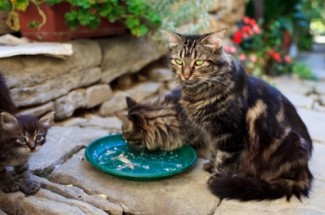
So it's absolutely fine, even beneficial, for them to eat these types of cat food ingredients in moderation.
Sorting through all the options can feel overwhelming at first.
With a better sense of what to look for, it gets much easier to narrow things down and make the right choice for your cat and your family.
« For more on diet and nutrition, head back up to Maine Coon Food.
Love this site?
You’ll love our magazine too.
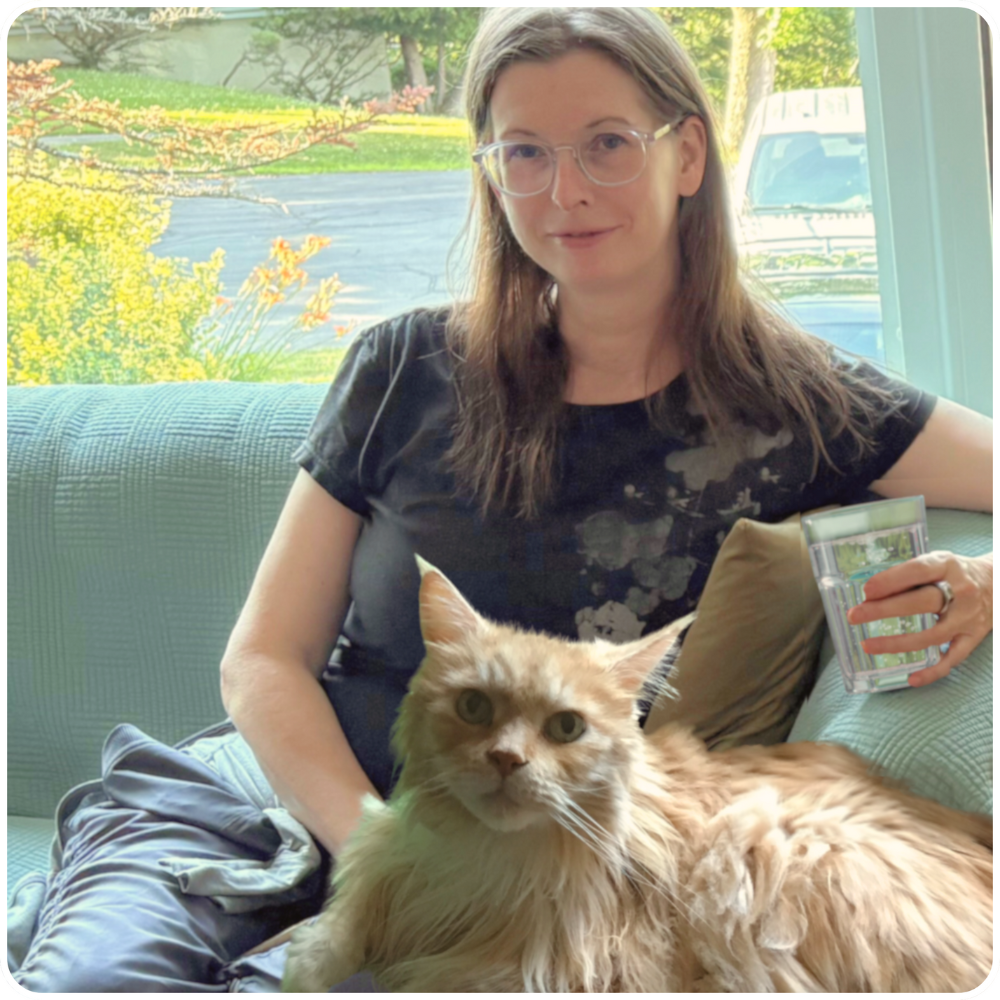
Hi, I'm Carrie! As a native Mainer, Coonie mom and author, I've spent over 14 years helping cat owners understand their Coonies and mixes. Real experience, research-backed insights - that's my approach. Happy, healthy cats - that's the result!
Curious about my experiences? Check out my About Page!
Let's Connect! ⬇️
COPYRIGHT © 2010 - 2026 MAINE COON CAT NATION | All Rights Reserved
THIS WEBSITE DOES NOT SELL ANY PERSONAL INFORMATION.
