- Home
- Behavior Problems
- Growling
Why Does My Maine Coon Growl?
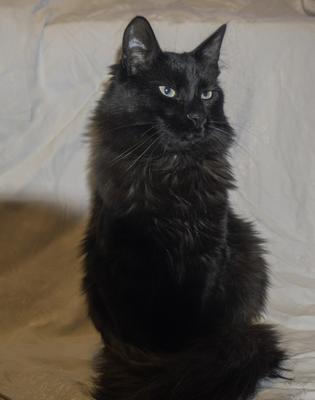
Hi, I have a question about my cat Shadow. She's 2 and lately she's been making these weird growling sounds.
She does it when she's eating sometimes, or when she's watching birds out the window. She even did it when I picked her up off the couch.
The thing is she's totally friendly and not acting aggressive at all. No hissing or anything. Just this low grumbly noise that kind of startles me.
Is this normal? Should I be worried? -Rachel in Wyoming
If you can't get enough of Maine Coons, you'll love our fun, free Daily Digest!

Hi Rachel,
Shadow sounds like a talker! The fact that she does it in several different situations, but isn't acting upset or aggressive, makes me think you're hearing one of her many "cat opinions" rather than a warning.
Maine Coons especially are known for having a whole repertoire of sounds beyond a regular meow.
Chirping, chattering, grumbling, and yes - sounds that can genuinely resemble a growl.
Some of it sounds almost like words. Many cats vocalize while they eat, while they watch birds, while they're being carried somewhere they'd rather not go. It's commentary, not aggression.
I would definitely recommend a vet visit if she hasn't had one recently, just to rule out any discomfort.
Pain can show up in behavior before anything else is obvious. But if she checks out fine, I wouldn't lose any sleep over this.
You may just have a very opinionated girl on your hands!
~Carrie
Do Maine Coons Growl?
Yes, any cat can growl when frightened, uncomfortable, protective of a resource, or wanting to be left alone.
Not Every "Growl" Is Really a Growl
Part of what makes this confusing is that owners use the word growl to describe several different sounds.
Some cats truly do growl. It's a low, serious warning that usually means they want space.

But cats also make many other noises that can sound surprisingly similar.
Maine Coons, in particular, are known for being vocal.
They chirp at birds, chatter at squirrels, trill when greeting their people, and sometimes produce low grumbles and murmurs that sound almost conversational.
Some cats even "talk" while they eat.
A cat sitting at the food bowl making a rumbling noise may not be guarding the food at all.
She may simply be commenting on the meal. Other cats make strange noises while carrying toys, watching wildlife through a window, or following their favorite person around the house.
Context is almost everything.
A cat with flattened ears, a tense body, and a deep warning sound is sending a very different message than a relaxed cat sitting at the window making hunting noises at a bird feeder.
Before assuming your cat is growling, take a moment to watch what else is happening.
The sound itself is only part of the story. Body language and the situation often reveal whether you're hearing a warning, excitement, frustration, or simply a very talkative cat.
There's so much to know about this awesome breed! Join 1,200+ fellow Maine Coon lovers and get our free Daily Digest, for something new every morning:
When a Growl Is Actually a Warning
If you're confident you're hearing a true growl rather than a chirp, chatter, trill, or grumble, here are some common causes:
Pain or illness: Cats often hide pain, but a sore joint, dental problem, injury, or illness can make them more likely to growl when touched or handled.
Fear or feeling threatened: A loud noise, unfamiliar visitor, dog, or another cat can trigger a warning growl.
Resource guarding: Some cats don't like anyone approaching while they're eating or enjoying a favorite treat or toy.
Territorial behavior: A cat staring out the window may react to another cat, wildlife, or something else they view as an intruder.
Overstimulation: Some cats enjoy petting until they've had enough. A growl can be an early warning before they walk away or swat.
What Should You Do?
Start by paying attention to the circumstances.
When does the growling happen? Is it during meals, while being handled, near other pets, or in response to something outside? The trigger often provides the biggest clue.
If the behavior is new, increasing, or accompanied by other changes such as reduced activity, hiding, appetite changes, or litter box issues, a veterinary visit is a good idea.
Cats often show discomfort through behavior before physical symptoms become obvious. Respect the warning.
A growl is communication. Continuing to pick up, pet, or approach a cat who is clearly asking for space can escalate the situation and increase stress for everyone involved.
Context is often the most useful clue. Look at what was happening before, during, and after the growl.
Once you understand the reason behind the sound, you're much closer to understanding what your cat is trying to tell you.
« For more on Maine Coon behavior and what's normal, head back up to the Behavior Issues page.
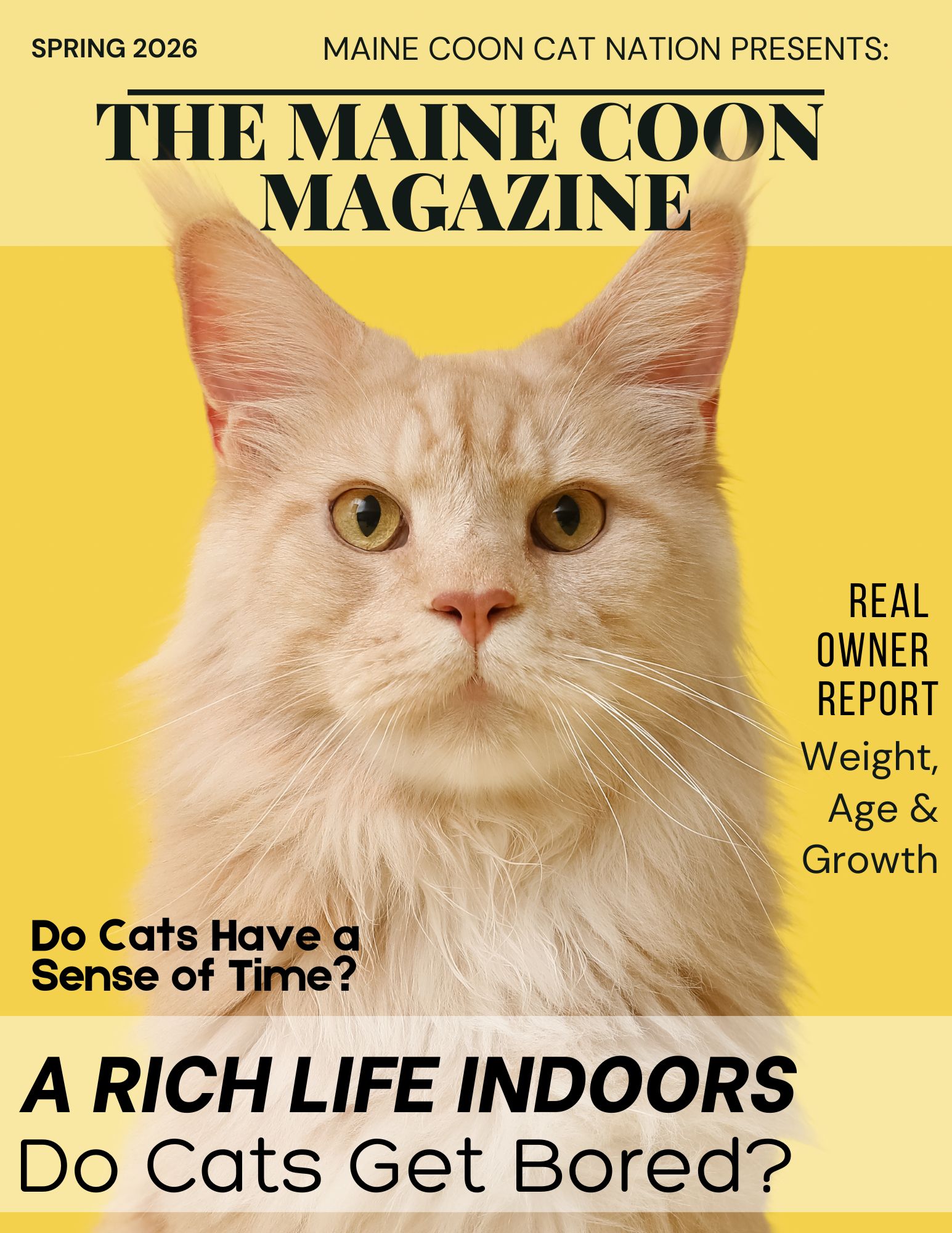
Love this site?
You’ll love our magazine too.
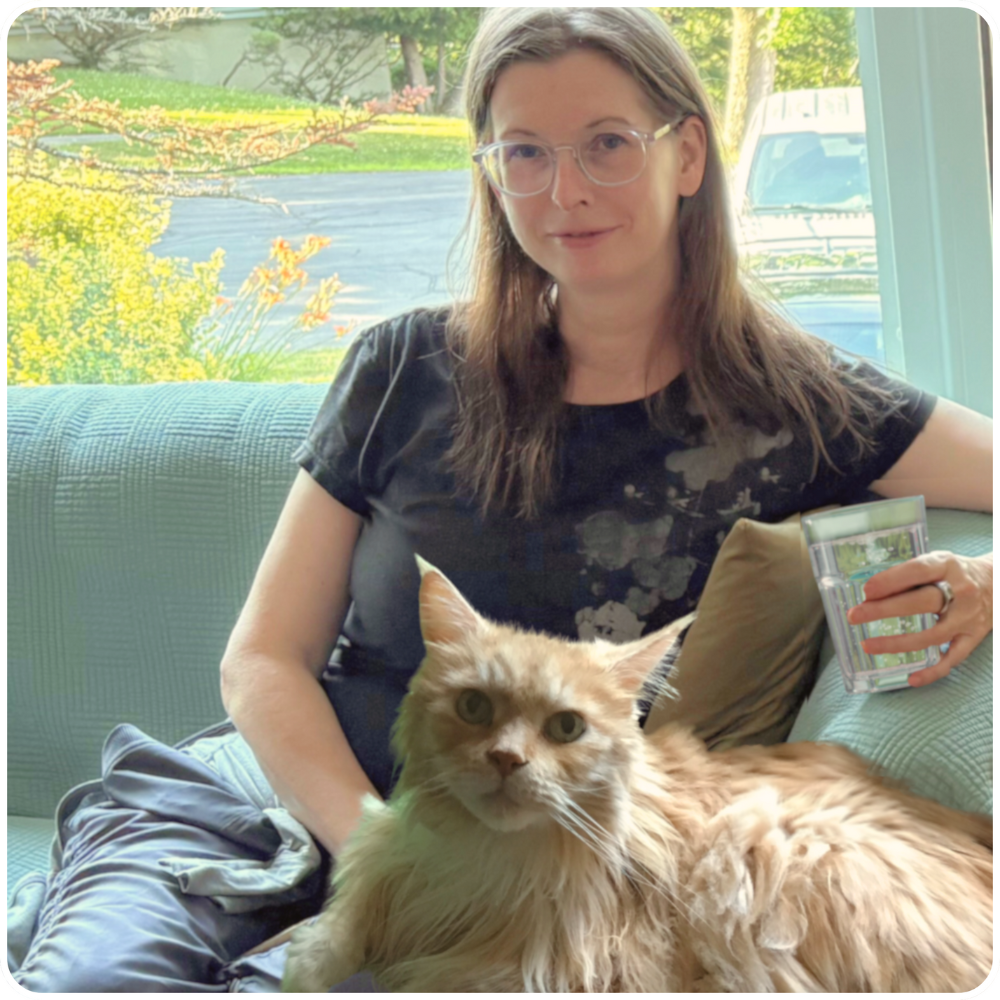
Hi, I'm Carrie! As a native Mainer, Coonie mom and author, I've spent over 14 years helping cat owners understand their Coonies and mixes. Real experience, research-backed insights - that's my approach. Happy, healthy cats - that's the result!
Curious about my experiences? Check out my About Page!
Let's Connect! ⬇️
COPYRIGHT © 2010 - 2026 MAINE COON CAT NATION | All Rights Reserved
THIS WEBSITE DOES NOT SELL ANY PERSONAL INFORMATION.
