- Home
- Maine Coon Cat Health
- Weight Loss & Appetite Problems
Underweight Maine Coons
Weight Loss & Appetite Problems
Maine Coons are known for being big cats, but not every one of them is a giant. Some are naturally lean, while others struggle to keep weight on.
If your cat looks thin, you might wonder if it’s normal or a sign of a problem.
If you can't get enough of Maine Coons, you'll love our fun, free Daily Digest!

A healthy Maine Coon should have muscle and a solid frame. You shouldn’t see their ribs or spine sticking out. If your cat feels bony or is losing weight, it’s important to figure out why.
There are many reasons a cat might be underweight. Some cats have fast metabolisms, while others don’t eat enough.
Health issues like hyperthyroidism, dental pain, or kidney disease can also cause weight loss.
Loss of appetite is always a concern. A cat who suddenly refuses food for more than a day needs a vet visit.
Senior cats, picky eaters, and newly adopted pets may also have trouble eating.
Weight issues can be tricky, but they don’t have to be a mystery. Let's look at what’s normal, when to worry, and how to help your cat maintain a healthy size.
What’s a Healthy Weight for a Maine Coon?
Maine Coons are big cats, but their size can vary. Males usually weigh between 13-18 pounds, while females tend to be smaller at 8-12 pounds. Of course, we've all seen the fun stories of huge Coonies weighing much more!
Some cats fall outside this range and are still healthy, depending on their build and activity level.
Age, genetics, and lifestyle all play a role in a cat’s size. Kittens grow steadily but may go through lanky phases.
Young adults are often lean and muscular, while seniors may lose weight due to aging or health concerns.
Highly active cats burn more calories, so they may be naturally slimmer than those who prefer lounging.
A little variation in body shape is normal, but extreme thinness is a red flag. If you can see your cat’s ribs or spine easily, it could mean they’re underweight.
Run your hands along their sides - feeling ribs under a thin layer of fat is ideal. If the bones are sharp and pronounced, your cat may need a vet check.
Weight loss, especially sudden or unexplained, should never be ignored. Illness, dental pain, parasites, or food issues could be the cause.
If your Maine Coon isn’t eating well or seems too thin, a vet visit can help find the reason.
If you are really worried that your Maine Coon is outside of the weight range that a Maine Coon "should be," visit our exclusive Size & Growth Chart to see where he or she falls.
Common Reasons for Weight Loss or Low Weight
High metabolism or natural leanness
Some Maine Coons are naturally lean, especially if they have a high metabolism or are very active.
A slim, muscular cat that eats well and has good energy is usually healthy. But if your cat seems too skinny or is losing weight, there may be a problem.
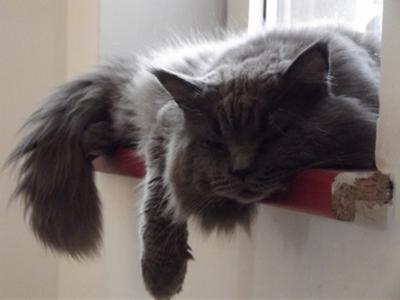
Poor diet or not getting enough calories
Some Maine Coons are naturally lean, especially if they have a high metabolism or are very active.
A slim, muscular cat that eats well and has good energy is usually healthy. But if your cat seems too skinny or is losing weight, there may be a problem.
Not eating enough is a common cause. Some cats are picky eaters, while others need more calories than they get.
Make sure your Maine Coon’s food is high in protein and meets their energy needs. A poor-quality diet or sudden food changes can also lead to weight loss.
Underlying health issues
Health issues can also affect appetite and weight. Dental pain makes eating uncomfortable, while conditions like hyperthyroidism, parasites, or kidney disease can cause rapid weight loss.
If your cat is eating normally but getting thinner, a vet check is a good idea.
Sudden or ongoing weight loss is always a concern. If your Maine Coon looks bony, refuses food, or seems weak, don’t wait to get help.
A vet can rule out medical issues and help find the best way to get your cat back to a healthy weight.
Community Q&A's
Been Feeding My Cats The Wrong Food
By: Nikki Sparks in Robertsville, MO
"I have 4 Maine coone kitties, a 3 year old male at 19 lbs, 2 year male 17 lbs, 8 months old male 11 lbs, 4 year old male 12lbs.
They are tall and long, just very skinny - like underweight looking.
I noticed it more when they got haircuts. They have been fed Purina gentle this whole time. I didn't know it didn't have everything they need.
They eat non stop and always act hungry. So what can I feed them them to get them to build muscle and just overall be healthy?"
Reply:
Hi Nikki,
About the boys looking skinny, here’s what I'd check first:
Before jumping into recommendations, I want to get a little context, because the answer really depends on why they look skinny, and right now I’m missing a few pieces.
First, "Skinny" compared to what?
Maine Coons look dramatically thinner after a shave. Their fur hides:
- rib definition
- a natural waist
- the slope of the belly
- the actual width of the hips and chest
So my first question is:
- Did a vet actually say they’re underweight?
- Or did they look thin after grooming?
Those are two very different situations.
What a healthy shaved cat should look like
A shaved Maine Coon doesn't look "filled out." They look like lean athletes. Here's what's normal:
A. A visible waist
From above, you should see a slight tuck behind the ribs and wider chest/hips. If there's no waist → that's actually overweight.
B. You should feel all ribs, but not see them
You should be able to run your fingers along the ribs without pressing.
- Ribs visible = underweight
- Ribs buried under padding = overweight
C. A belly that doesn't sag
Normal: a small primordial pouch and a smooth belly line.
Not normal: a deep hollow behind the ribcage (too thin) or a heavily rounded belly (too heavy).
D. Spine you can feel, not see
The spine should feel like small knobs under a thin muscle layer.
Visible spine or sharp hips = too thin.
E. Thighs with muscle, not edges
Healthy thighs feel smooth and slightly rounded.
If you see corners or edges, especially at the hip → underweight.
F. Chest fuller than abdomen
This is a big one.
A healthy shaved cat still has a broad chest. The abdomen should taper a little.
They should look like runners; long, fit, proportionate but not bulky.
And remember: long-haired breeds lose 30-60% of their visual "size" when shaved. It shocks a lot of owners.
About Purina Gentle
Purina Gentle isn’t dangerous, but it’s definitely mediocre, especially for a large, high-energy breed.
It has:
- high carbs
- plant-heavy protein
- lower fat than active cats need
- low calorie density
- an amino acid profile that won’t build much muscle
It's complete and balanced, yes, but not at all ideal for big, slow-maturing boys.
The nonstop hunger tells us something
Constant eating can mean:
- the food isn't calorie-dense enough
- they're bored and grazing
- or something medical is going on (parasites, malabsorption, hyperthyroid, etc.)
But because yours are young males, including an 8-month-old still growing, the "always hungry, tall, long, lean" pattern is also very normal.
Their actual weights
These stood out to me:
- 3-yr, 19 lbs: big boy, not thin
- 2-yr, 17 lbs: also big
- 8-mo, 11 lbs: perfect for that age
- 4-yr, 12 lbs: this is the only one that makes me pause
So I'm not convinced you have four underweight cats. You may have one under-conditioned boy and three totally normal ones who only looked skinny after grooming.
What to feed (after the basics are checked)
To help them fill out, switch to a diet that's higher in protein and fat, ideally around 35% protein (dry matter) and 18–20% fat, with real animal protein listed first.
Adding two reliable wet-food meals each day will support muscle development much faster than kibble alone, while keeping a higher-quality dry food available for grazing.
You can also include simple high-protein toppers to boost overall intake, especially for cats with fast metabolisms.
Most importantly, make sure each cat has uninterrupted access to their food so no one gets pushed away during mealtimes.
Rule out medical causes if a cat is truly thin
These are the major red flags when a cat eats constantly but can't gain:
- hyperthyroidism
- intestinal parasites
- absorption issues
- pancreatic insufficiency
- diabetes
- dental problems
- stress resource competition
Your 4-year-old at 12 lbs is the one I’d check first if you’re concerned.
I'm always happy to help, but it's still important to have a vet take a look so you know you're working with the full picture.
The bottom line
You aren't doing anything wrong.
Purina Gentle isn't harmful, it's just not the best match for big-framed, energetic cats who take 3–5 years to fully fill out.
If you upgrade the food, add some wet meals, and keep an eye on the 12-lb guy, you'll get a much clearer sense of who actually needs help and who just looked suddenly "skinny" without their coats.
Underweight Male
By: Caroline in Suffolk, VA
"My Maine Coon male is almost eight. He weighs ten pounds, and I’m concerned. He runs outside all day and is very active. You can see his ribs. Is this normal?"
Reply:
Hi Caroline,
A healthy weight can vary, but ten pounds is on the lower end for a male Maine Coon. If he has always been small and is energetic, he may just be naturally lean.
Some Maine Coons are smaller than average, just like people come in different sizes.
However, if he has looks bonier than before, that’s a red flag. A visible ribcage isn’t always a concern, but if his hip bones or spine are sticking out, he may be underweight.
Weight loss can signal an underlying health issue, even in active cats.
Since you’re concerned, it’s a good idea to check with your vet. They can assess his body condition, rule out medical issues, and make sure he’s getting enough calories.
Even if he’s naturally slim, they might suggest ways to help him maintain a healthy weight.
Wishing you and your boy the best!
~Carrie
Senior Maine Coon – Picky Eating & Anesthesia Concerns
By: Kathy in Grande Prairie, AB, Canada
"My 15-year-old Maine Coon has stopped eating his usual food and will only eat cheaper brands.
He also has a lot of mats, and my only option for removal is shaving under anesthesia. Is he too old for this? How can I get him to eat better food again?"
Reply:
Hi Kathy,
It’s common for older cats to become pickier about food. At this stage, the goal is to keep him eating while maximizing nutrition.
Try mixing his preferred food with a higher-quality option or introducing canned food, which is often more appealing.
Cooked chicken or homemade options can also help. If he’s refusing healthier food, a vet check may be a good idea to rule out dental issues or other health concerns.
Regarding the mats, anesthesia does put extra strain on an older cat’s kidneys, so it’s best to avoid it unless absolutely necessary.
If your vet agrees, see if a groomer or vet tech can carefully trim the knots while he’s awake.
Many vets will do a quick shave in seconds without full sedation. If he’s calm, you might even be able to remove them at home with help.
Ask your vet if anesthesia is truly needed. If he’s otherwise healthy, finding a less invasive solution may be best.
You’ve taken great care of him - wishing you both the best!
~Carrie
Adopted Kitty Won’t Eat
By: Amy Corlett in South Africa
I adopted a 2.5-year-old Maine Coon mix from a shelter. He hasn’t eaten anything in seven days, though he is drinking water and using the litter box. I’ve tried various foods, hand-feeding, and even had his previous owner visit, but nothing has worked.
He loves affection and isn’t hiding, but I’m worried. What should I do? Should I force-feed him?
Reply:
Hi Amy,
This is definitely a situation that requires a vet visit as soon as possible. Cats can develop serious health issues, including fatty liver disease, after going without food for several days.
Since he’s drinking water and interacting with you, he may be stressed from the transition, but seven days without eating is too long.
Your vet may recommend appetite stimulants, syringe feeding, or checking for an underlying illness. In the meantime, try offering warmed wet food, plain boiled chicken, or even baby food (without onion or garlic).
Rubbing a small amount of food on his gums might also help trigger his appetite.
It’s wonderful that you’ve given him a loving home - hopefully, with some intervention, he’ll start eating soon. Wishing you both the best!
~Carrie
Keeping an Eye on Appetite, Weight and Wellness
Maine Coons can be naturally lean, but sudden weight loss or a refusal to eat is a red flag. If your cat looks thinner or isn’t eating as usual, pay close attention.
A slow change in body size might be normal, but a fast drop can signal a problem.
Monitor your cat’s appetite, energy, and overall health. Weighing them regularly can help you spot small changes before they become serious.
A healthy Maine Coon should have strong muscles and a steady appetite, even if they aren’t a big eater.
If your cat skips meals, seems weak, or loses weight quickly, call your vet.
Underlying issues like dental pain, illness, or stress can make them avoid food. A check-up can rule out medical problems and help you find the best diet for their needs.
Every cat is different, and some naturally stay on the thinner side. But they should still eat well and maintain their strength.
If you’re unsure, your vet can guide you in choosing the right nutrition plan.
Keeping an eye on eating habits and body condition helps ensure your cat stays happy and healthy for years to come.
Top of Weight Loss and Appetite Concerns
« Back to Maine Coon Health
Love this site?
You’ll love our magazine too.
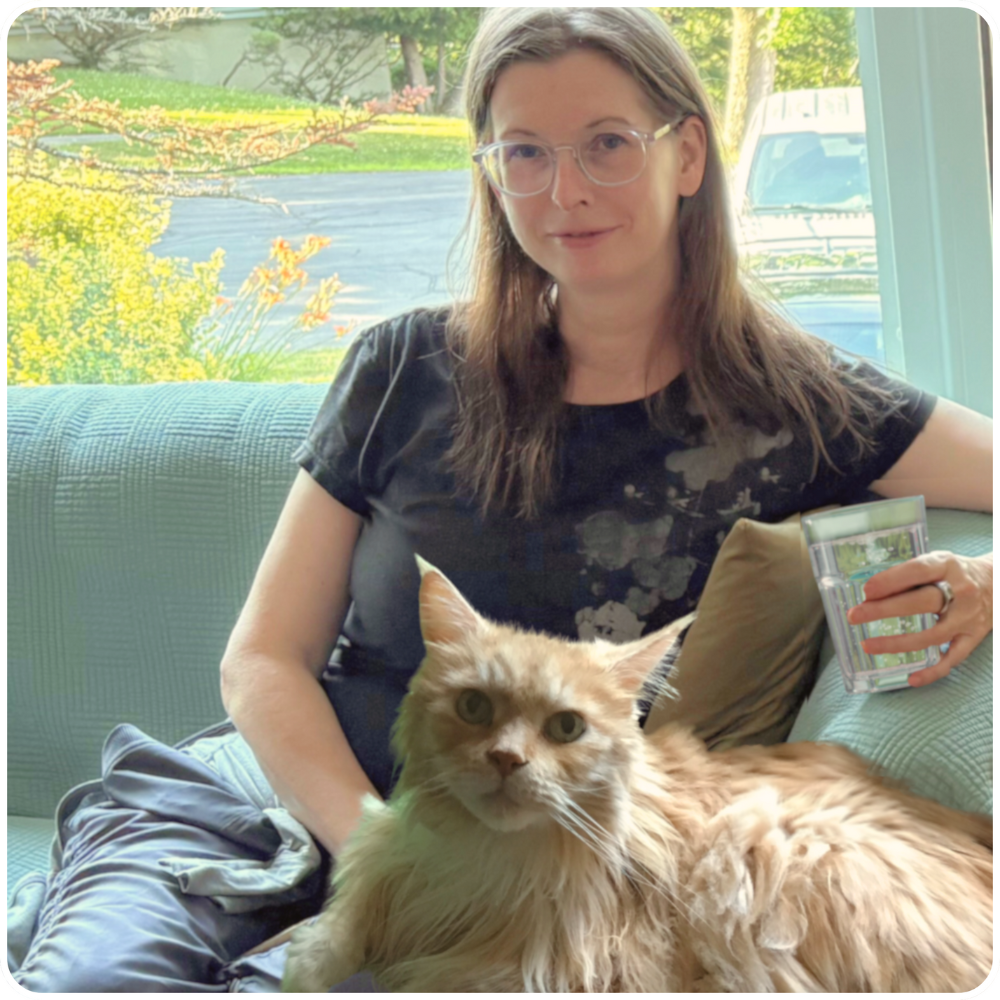
Hi, I'm Carrie! As a native Mainer, Coonie mom and author, I've spent over 14 years helping cat owners understand their Coonies and mixes. Real experience, research-backed insights - that's my approach. Happy, healthy cats - that's the result!
Curious about my experiences? Check out my About Page!
Let's Connect! ⬇️
COPYRIGHT © 2010 - 2026 MAINE COON CAT NATION | All Rights Reserved
THIS WEBSITE DOES NOT SELL ANY PERSONAL INFORMATION.
