- Home
- Health Care
- Heat Stroke in Cats
Heat Stroke in Cats:
Signs and Symptoms of Heat Exhaustion
Heat stroke in cats is a very real and serious concern, especially during the warmer months when temperatures can soar.
As we seek ways to cool off and stay healthy during heat waves, it's crucial to remember that our feline friends are also susceptible to the dangers of high temperatures.
A cat's body temperature is normally around 101 to 102.5 degrees Fahrenheit, but when exposed to a hot environment, this can quickly rise to dangerous levels.
✉ Love a good Coonie story or insight? Get our free Daily Digest for one short, fun email about Coonies every morning!

Why Worry About Cat Heat Stroke?
Many pet owners primarily think about dogs when considering heat stroke in the summer.
However, cats can be just as vulnerable to heat stress, particularly during warm weather.
Whether it’s an indoor or outdoor cat, the risks are significant.
Cats have limited ways to cool down, relying on panting and sweating from the pads of their feet.
When these methods aren't enough to regulate their body temperature, heat stroke becomes a real threat.
Imagine a situation where a cat is accidentally left in a hot car; this scenario can escalate quickly to a life-threatening condition.
Even a few minutes in such a hot environment can cause a cat's body temperature to spike dangerously.
Similarly, outdoor cats that spend a lot of time under the sun without access to shade or water are at high risk during periods of extreme heat.
Recognizing the signs early and understanding the appropriate actions can be the difference between life and death for your furry companion.
Stay tuned to learn about who is most at risk, the critical symptoms to watch for, and the best preventative measures to keep your cat safe during the warmer months.
Let's ensure our beloved feline friends stay cool, comfortable, and healthy even when the heat is on!
Who's At Risk:
Any cat can succumb to heat stroke, but some are particularly vulnerable.
As cat owners, it's essential to understand which cats are most at risk so we can take extra precautions during high temperatures and hot weather.
Breeds with shortened faces (flat-faced cats), such as Persians and Himalayans, are especially susceptible.
These brachycephalic breeds, or flat-faced breeds, have restricted airways, making it harder for them to cool down through panting.
Cats with airway diseases, like asthma or bronchitis, also fall into this high-risk category.
Their compromised respiratory systems make it challenging to cope with the increased demand for cooling in a hot environment.
Elderly or ill cats are another group that needs special attention. Older cats often have underlying medical conditions or health issues that can exacerbate the effects of heat stress.
Similarly, young kittens are at a higher risk due to their still-developing bodies and less efficient thermoregulation systems.
Overweight cats face significant dangers during warmer months. Excess body fat acts as insulation, trapping heat and preventing the body from cooling down efficiently.
These obese cats may struggle more in hot weather, increasing their chances of heat stroke.
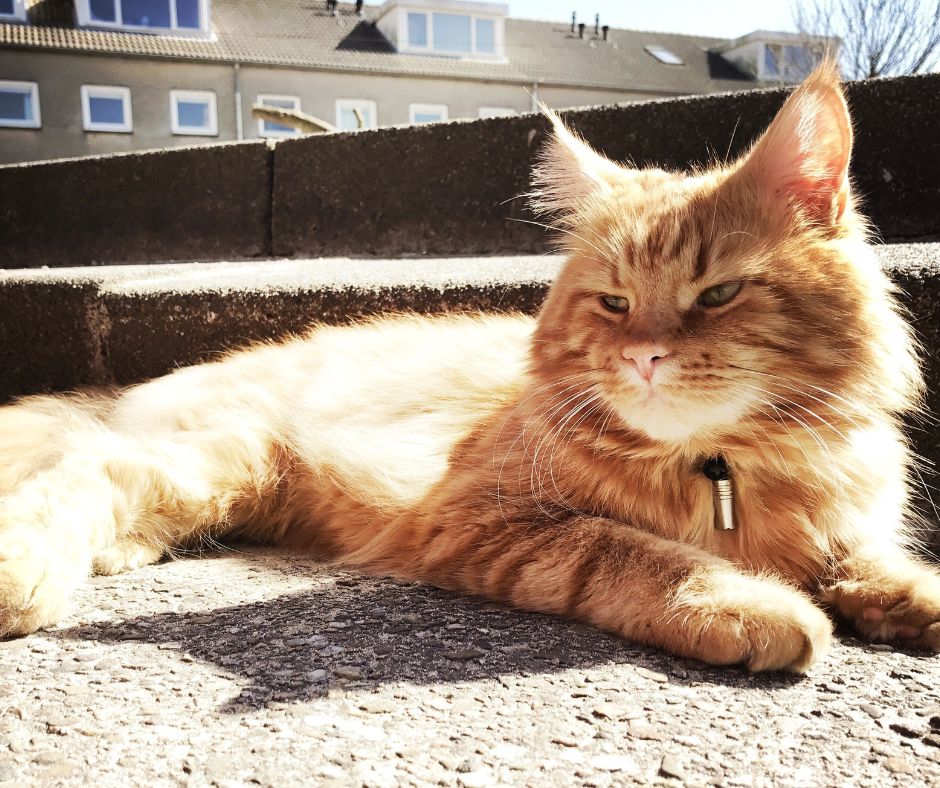
Outdoor cats, who often enjoy the freedom to roam and explore, are also at greater risk.
While they might love the sunshine, without adequate shade and access to fresh water, they can easily overheat.
It's crucial to ensure that these adventurous felines have safe, cool places to retreat to during peak sun hours.
In addition, certain lifestyle factors can increase the risk.
For instance, if a cat is left in a hot car, the temperature can spike dangerously within minutes, leading to rapid onset heat stroke.
Even a brief errand can turn deadly for a cat trapped in such a hot environment.
By recognizing these risk factors, we can better protect our beloved cats from the dangers of heat stroke.
Whether your furry friend is a pampered indoor cat or an adventurous outdoor cat, staying vigilant and proactive during warmer months is key to their health and safety.
Signs of Cat Heat Stroke:
Recognizing the signs and symptoms of heat stroke in your feline friend is crucial.
This serious condition can escalate quickly, leading to severe symptoms and even death if not treated promptly.
Understanding the most common causes of heat stroke and the warning signs can help you act swiftly and effectively.
One of the first and most noticeable signs is rapid breathing or panting. Unlike dogs, cats rarely pant, so fast, noisy, frantic panting is a red flag.
Alongside this, you may observe vomiting and diarrhea, which can sometimes contain blood, indicating severe distress.
Restlessness or lethargy can also be evident; a cat might seem unusually agitated or, conversely, unusually inactive.
As heat stroke progresses, you might notice dizziness and stumbling, as your cat struggles to maintain balance.
Excessive sweating, primarily from their paw pads, and thick, sticky saliva are also telltale signs.
Cats may display anxiety and salivate more than usual. If you observe your cat compulsively grooming, it might be trying to cool down by dampening its fur, which can provide a cooling effect as it evaporates.
Redness in the tongue and mouth, along with pale gums, can be observed as well. These signs indicate that your cat’s internal body temperature is dangerously high.
Normally, a cat’s body temperature is around 101.3 degrees Fahrenheit. Heat stroke in cats is defined by a rectal body temperature of 103 degrees or higher.
If their temperature rises to 108.5 degrees, body functions start to shut down, posing a severe risk of organ damage and other life-threatening complications.
Saliva will become thicker and stickier as the condition worsens. The severity of symptoms can vary, but any combination of these signs on hot days should prompt immediate action.
It’s crucial to get your cat to a veterinarian as quickly as possible to prevent further complications and ensure their safety.
Being aware of the risk of heatstroke and its symptoms allows you to protect your feline friend from this serious condition.
On hot days, keeping an eye out for these signs can make all the difference in maintaining their health and well-being.
Treatment:
If you suspect your cat is suffering from heat stroke, immediate action is crucial.
Cooling your feline friend down and getting them to a veterinarian as quickly as possible can save their life.
Here are some essential steps you can take to help manage heat stroke in cats:
Things To Do For Heat Stroke In Cats
Cool Your Cat Down Gradually: Dip your cat in water that is lukewarm to slightly cool.
The water should not be cold; test the temperature on the inside of your wrist.
You can use a bathtub, ensuring your cat's head remains above water, or use the kitchen sink with a spray nozzle.
You can also dip just their paws in cool water. This helps bring down their body temperature safely without causing shock.
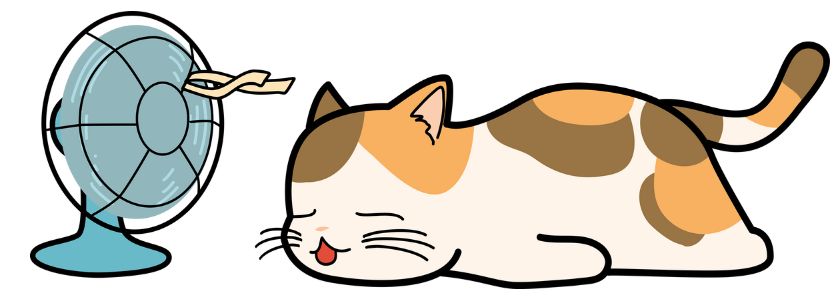
Use a Fan or Air Conditioning: Place your cat in front of a fan or in an air-conditioned room.
The evaporation of the water from their fur will help cool them down effectively.
Hydrate Carefully: Offer cold water with a small amount of salt to help rehydrate your cat.
If they refuse to drink, use a syringe or spoon to gently administer water into the side of their mouth. Be careful not to squirt it directly down their throat.
Apply Cold Compresses: Place a bag of frozen peas, ice packs, or cold washcloths around your cat's head and body.
This can help reduce their body temperature gradually.
Monitor Their Temperature: If possible, take your cat's temperature rectally.
When their temperature returns to the normal range, around 101.3 degrees Fahrenheit, stop the cooling measures to avoid hypothermia.
What Not To Do When Cooling Down a Cat
While it’s important to cool your cat down, there are certain measures you should avoid to prevent further harm:
Avoid Using Ice or Very Cold Water:
Cooling your cat too quickly with ice or very cold water can cause blood vessels to constrict, leading to shock and potentially worsening their condition.
You may place ice packs near him, not on him.
Don't Force Water Intake:
Forcing water down your cat’s throat can lead to choking or aspiration pneumonia. Always administer water gently and with care.
How Do Vets Treat Heat Stroke In Cats?
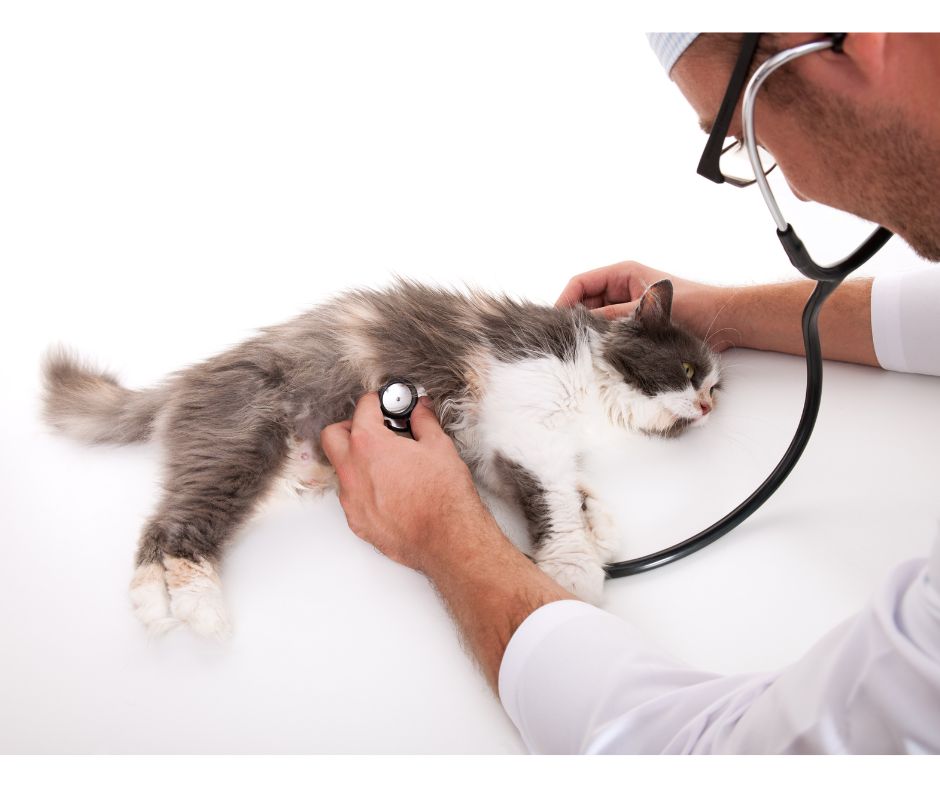
Once you reach the veterinarian, they will provide immediate veterinary care to stabilize your cat:
- Monitoring and Cooling: The vet will closely monitor your cat's temperature and bring it down carefully if needed.
- Intravenous Fluids: Your cat may be given intravenous fluids to combat dehydration and help lower their internal body temperature.
- Oxygen Therapy: If necessary, your cat may receive oxygen to support their breathing.
- Assessing Organ Damage: The vet will monitor your cat for evidence of organ damage, including kidney damage and other complications that might arise from heat stroke.
Down The Road:
Even after your cat recovers, there are potential long-term complications to be aware of. Cats who have suffered from heat stroke are more susceptible to getting it again.
Monitoring for any signs of lingering issues, such as organ damage, is essential for their ongoing health.
Regular check-ups and maintaining a cooler environment for your cat can help prevent future incidents.
Taking immediate and appropriate action during a heat stroke can make all the difference.
Ensuring your cat receives accurate diagnosis and treatment can help avoid severe complications and ensure their swift recovery.
Always keep an eye on your feline friend during hot days and provide them with a safe, cooler area to relax in.
Prevention: Measures to Avoid Heat Stroke in Cats
Cool as a Cucumber on a Hot Summer Day:
Keeping your feline friend safe from the dangers of excessive heat requires proactive measures, especially during the warm days of the summer months.
Here are some essential tips to ensure your cat stays cool and comfortable:
Keep Pets Indoors Where the Climate Can Be Controlled
On particularly hot days, it's best to keep your indoor cats inside where you can control the temperature.
If it's going to be a scorcher, leave your pets in the house with the air conditioner on.
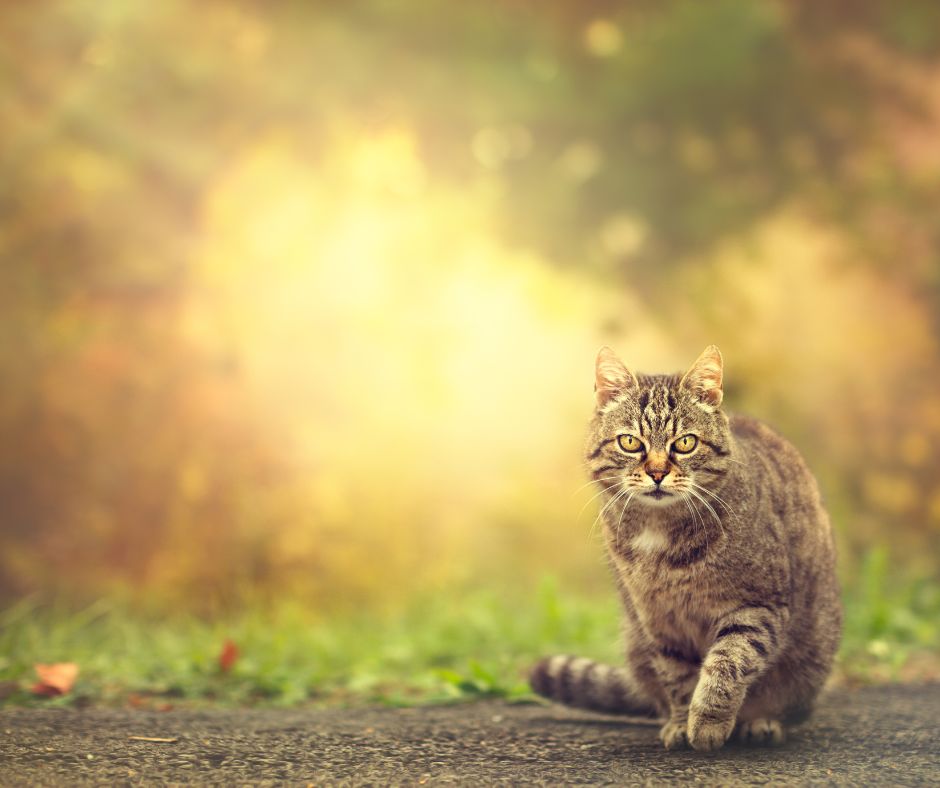
While we all aim to save energy, setting the temperature to a higher-than-usual setting can keep your cat safe and comfortable without overburdening your energy bill.
You can lower the temperature in the evening to cool the house down further.
If you don’t have air conditioning, a fan can be a lifesaver.
Ensure the fan is on, and if it will be hotter outside than inside, position it to blow air out of the window before you leave. This can help maintain a cooler indoor environment.
If your home only has air conditioning in one room and the forecast predicts brutal heat, consider confining your cat to that room for the day.
A few toys, a window to look out of, and they’ll be much happier and safer in a cool room than anywhere else.
Cool Places for Comfort
Cats naturally seek out cool places to lie down, such as cold tile floors or basements.
These areas can be great hangouts during the heat of summer. However, always ensure these spaces are safe and free from potential hazards.
Never confine your cat to a warm or potentially hot room for the day.
Have Plenty of Water Available
Hydration is key during warm days. Make sure your cat's water dish is topped off before you leave the house. Like humans, pets need to stay hydrated on hot days.
If your cat spends time outside, ensure there is a large bowl or multiple bowls of water placed in a shady spot. Water can evaporate quickly, so providing extra water is essential.
Ice Is Nice
Consider placing a big bowl of ice in your cat’s water dish. As the ice melts, it will provide a nice cold drink for later in the day, helping to keep your cat hydrated and cool.
The Lion Cut
For cats with long fur, a lion cut can be a practical solution during the summer months. This haircut can help your cat stay cool by removing excess fur that would otherwise trap heat.
Cats generally tolerate this well, and many cat parents in regions with prolonged hot weather swear by it.
However, the multilayered Maine Coon coat is especially designed to not only keep them warm in winter, but cool in summer!
The layers actually help them regulate their own body temperature naturally.
So if you do choose to try the lion cut, you may need to be extra-vigilant in your heat stroke prevention methods.
Limit Time Outside
If your cat enjoys spending time outdoors, try to limit their outdoor activities during the peak heat of the day, typically between 11:00 AM and 3:00 PM.
Early morning and late evening are the best times to let your cat enjoy the fresh air while avoiding the risk of heat stroke.
Car Smarts
Never leave your cat in a parked car, not even for a short time or during cooler months.
The interior of a car can heat up to dangerous and deadly temperatures very quickly, posing a significant risk to your cat’s health.

By taking these precautions, you can help your feline friend enjoy the summer months safely.
Summer is a time for family fun, vacations, and lazy days, and with a few mindful steps, your cat can join in the enjoyment without the risk of heat stroke in cats.
Keeping them cool, hydrated, and comfortable will ensure they, too, can savor the dog days of summer!
« Back to Maine Coon Health
Disclaimer
Please remember that the information provided in this article is intended for informational purposes only and should not be considered as veterinary advice. While we strive to provide accurate and up-to-date information, every cat is unique, and individual health conditions may vary. Always consult with a qualified veterinarian for professional medical advice, diagnosis, and treatment specific to your cat's health and well-being.
Love this site?
You’ll love our magazine too.

Hi, I'm Carrie! As a native Mainer, Coonie mom and author, I've spent over 14 years helping cat owners understand their Coonies and mixes. Real experience, research-backed insights - that's my approach. Happy, healthy cats - that's the result!
Curious about my experiences? Check out my About Page!
Let's Connect! ⬇️
COPYRIGHT © 2010 - 2025 MAINE COON CAT NATION | All Rights Reserved
THIS WEBSITE DOES NOT SELL ANY PERSONAL INFORMATION.
